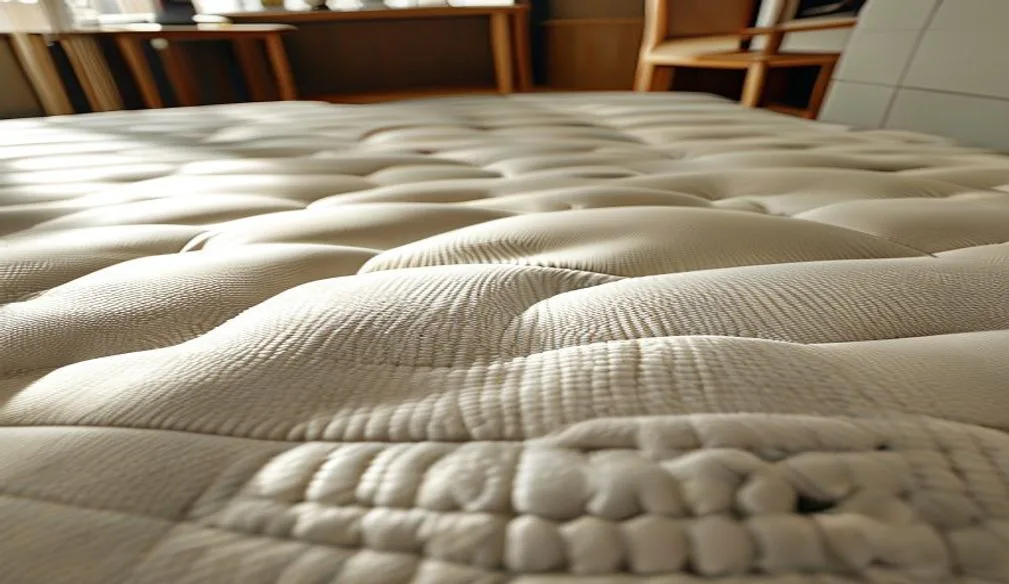
How hot does it need to be to kill bed bugs? Bed bugs die at sustained temperatures above 120°F (49°C). Eggs need longer exposure—typically 60–90 minutes at that core temperature—not a brief spike.
Bed bugs die at sustained temperatures above 120°F (49°C), but eggs require longer exposure than mobile stages. In my field work, I've learned that reaching the number is only half the battle—holding it matters more than most homeowners expect.
Why Eggs Outlast adult bed bugs
Bed bug eggs carry a protective outer shell that insulates the developing embryo from rapid temperature shifts. adult bed bugs and Nymphs succumb quickly when their proteins denature, but eggs can survive brief spikes that would kill mature insects. I often see this misunderstanding lead to failed DIY treatments. Someone cranks a space heater to 140°F for twenty minutes, finds dead bugs on the floor, and assumes victory—only to face reinfestation three weeks later when hidden eggs hatch.
The thermal death point varies by exposure duration. At 113°F (45°C), bed bugs die after roughly ninety minutes of continuous exposure. Push that to 120°F and the timeline drops to roughly twenty minutes for adult bed bugs. Eggs, however, need sustained 120°F conditions for sixty to ninety minutes depending on substrate thickness. What I tell clients is simple: if you cannot verify temperature at the core of a mattress, cushion, or folded textile, you have not treated the eggs.
Measuring Heat Where It Counts
Surface temperature readings mislead. I use wireless probes pushed into the center of mattresses, between couch cushions, and inside dense laundry loads. These internal spots lag behind ambient air by significant margins. A room measuring 135°F at the thermostat might harbor 105°F pockets inside a box spring.
Infrared thermometers help scan broad areas but cannot penetrate fabric. I pair them with probe thermometers for verification. For whole-room heat treatments, I place sensors at multiple heights—floor level, mid-wall, and ceiling corners—since heat stratifies. Cold spots near exterior walls or behind heavy furniture become survival zones.
What homeowners miss most is thermal mass. A thick comforter in a dryer might read 160°F on the outside while the folded center stays below lethal range. I recommend untangling loads and running extended cycles rather than trusting default dryer settings.
Practical Heat Methods and Their Limits
Household dryers remain the most reliable tool for textiles. Run items on high heat for at least thirty minutes after the load reaches temperature, not merely thirty minutes total cycle time. I advise against overloading—air circulation matters more than maximum capacity.
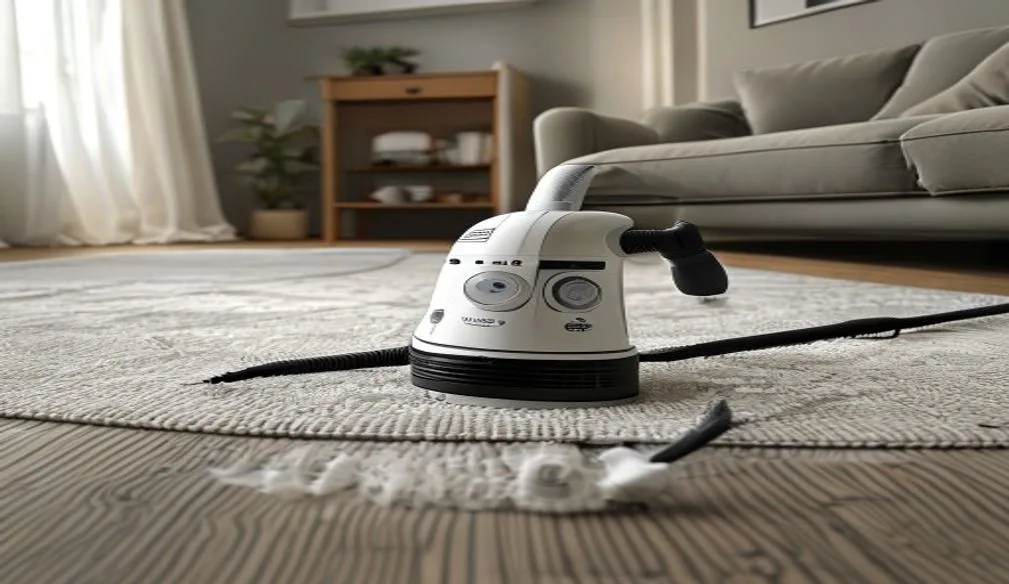
Steamers deliver instant kill on contact but require slow, methodical application. Move the nozzle at roughly one inch per second, keeping the head flush against surfaces. I treat seams, tufts, and corners twice from opposing angles. Steam cools rapidly in open air; it works only where direct contact occurs.
Portable heat chambers and professional whole-room systems raise ambient temperatures uniformly. These demand professional equipment—residential ovens, space heaters, and heat guns create fire hazards without achieving consistent penetration. I've documented property damage from well-intentioned homeowners who improvised thermal solutions.
| Target Temperature | Minimum Duration | Egg Kill Verified? | |
|---|---|---|---|
| Residential clothes dryer | 120–140°F (49–60°C) | 30 min at temp | Yes, if load size limited |
| Handheld steamer | 212°F (100°C) at nozzle | Continuous slow pass | Only on direct contact |
| Portable heat chamber | 120–135°F (49–57°C) | 60–90 min | Yes, with probe verification |
| Professional whole-room | 120–140°F (49–60°C) | 4–6 hours | Yes, with thermal mapping |
Preparation Steps That Determine Success
Heat treatment fails when clutter creates insulation. Remove items that block airflow—thick books, cardboard boxes, and dense textiles should be processed separately. I start every job with systematic decluttering, not because it kills bugs, but because it exposes them to heat that actually reaches lethal levels.
Electronics and heat-sensitive belongings need removal or protection. Candles, aerosols, and pressurized containers pose explosion risks above 120°F. I create exclusion lists with clients before any thermal work begins. Vinyl records warp. Musical instruments crack. Pharmaceuticals degrade. These losses are preventable with foresight.
Sealing the treatment perimeter prevents escape. Bed bugs sense thermal stress and migrate toward cooler zones. I apply temporary barriers at door gaps and ventilation points, then verify seal integrity with smoke pencils or draft detectors. Escaped bugs return once temperatures normalize.
Common Failures I Correct in Follow-Up Visits
Insufficient duration tops my list of revisits. Homeowners achieve 120°F briefly, celebrate, and shut down equipment. Eggs in deep furniture crevices never sustained lethal exposure. I require proof through data logging—temperature curves showing maintained thresholds, not isolated peaks.
Another pattern involves treating rooms while ignoring adjacent spaces. Bed bugs traverse wall voids, electrical conduits, and pipe chases. I map infestation extent before committing to thermal boundaries. Partial treatment selects for survivors and extends the problem.
In my field work, I also encounter over-reliance on single methods. Heat works best as one component of integrated pest management. Mattress encasements trap any survivors. Vacuuming removes debris that insulates bugs. Monitoring devices confirm elimination. I design protocols where heat accelerates decline rather than carrying sole responsibility.
When Professional Intervention Becomes Necessary
Large or multi-unit infestations exceed DIY thermal capacity. The equipment investment, technical knowledge, and time requirements scale rapidly. I refer clients to licensed professionals when square footage exceeds manageable heat chamber sizes, when structural complexities create persistent cold zones, or when previous self-treatment attempts have dispersed the population.
Cost considerations matter, but I caution against false economy. Failed DIY thermal attempts often require more expensive remediation than initial professional service. The emotional toll of prolonged infestation—sleep disruption, social isolation, property devaluation—rarely appears in upfront calculations.
Verifying Elimination After Heat Treatment
Confirmation requires patience. Eggs hatch on their own schedule regardless of treatment timing. I install passive monitors at bed legs and furniture casters, checking weekly for sixty days post-treatment. A single nymph in this window indicates survival somewhere in the system.
Visual inspection skills improve outcomes. I teach clients to distinguish bed bug fecal spots, shed skins, and egg casings from benign debris. Post-treatment, any new spotting demands immediate response—delays allow exponential population rebound.
Temperature logging devices left in treated spaces provide objective records. I recommend this documentation for rental situations, property sales, or dispute resolution. Objective data carries weight that subjective assurances lack.
Frequently Asked Questions
How hot does it need to be to kill bed bugs?
Bed bugs die at sustained temperatures above roughly 120°F (49°C). Adults and nymphs typically succumb within about 20 minutes at that level; eggs need 60–90 minutes at the same core temperature.
Does heat treatment kill bed bugs?
Yes—professional and well-executed DIY heat can kill bed bugs in all life stages when temperatures stay at or above 120°F (49°C) throughout infested zones long enough to reach eggs inside cracks and fabric folds.
How long does professional heat treatment take?
Professional heat treatments for bed bugs usually require several hours to raise room temperatures to levels that affect all life stages. You should plan for limited access during the service and follow any pre- and post-treatment guidance provided by the pest management professional.
How can I safely reduce bed bugs at home without chemicals?
Use non-chemical methods as part of an integrated approach and consult a licensed pest professional for assessment.
- Heat: Wash and dry infested items on the highest heat settings recommended for the fabrics.
- Vacuuming: Carefully vacuum cracks and crevices, then dispose of the bag or canister contents in a sealed outdoor bin.
- Barrier methods: Use mattress and box spring encasements labeled for bed bugs to reduce harborage and make detection easier.
These steps can help manage bed bugs, but they are generally most effective when combined with professional guidance.