In my two decades of field work, I have seen more infestations start from a single overnight stay than from any other source. Travelers often assume a nice lobby means clean rooms, but bed bugs do not read star ratings. I tell every client that the five minutes you spend checking a room before unpacking can save you months of misery and thousands of dollars in treatment costs. That five-minute habit has saved my own family more than once.
What You Need Before You Walk In
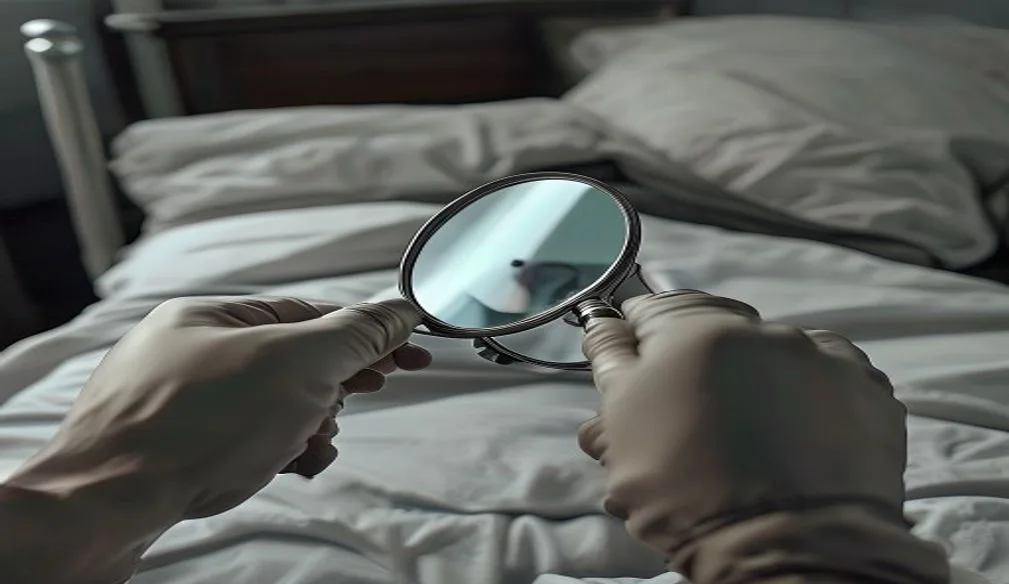
You do not need a kit full of gadgets. In my kit bag, I carry only three things: a bright, focused LED flashlight, an old credit card or plastic room key, and a large white zip-top bag for my suitcase. The flashlight reveals evidence in dark crevices where overhead lights never reach. The plastic card slides into tight seams to flush out hiding bugs or reveal the black fecal spotting they leave behind. The white bag isolates your luggage the moment you walk through the door. I keep a spare flashlight in my carry-on because hotel lighting is notoriously dim near headboards.
- Bright LED flashlight (penlight style works best)
- Old credit card or stiff plastic card
- Large white zip-top bag for luggage isolation
The Systematic Room Inspection Routine
I teach a clockwise pattern so nothing gets missed. Start at the entry point and work your way around the perimeter toward the bed, which is the primary harbor zone. Do not put your bags on the bed or the upholstered luggage rack until the inspection is complete. Keep them in the bathtub or on the tile entryway floor while you work. Bed bugs do not climb smooth porcelain or tile easily, so the bathroom is your safe zone.
Start With the Luggage Rack and Closet
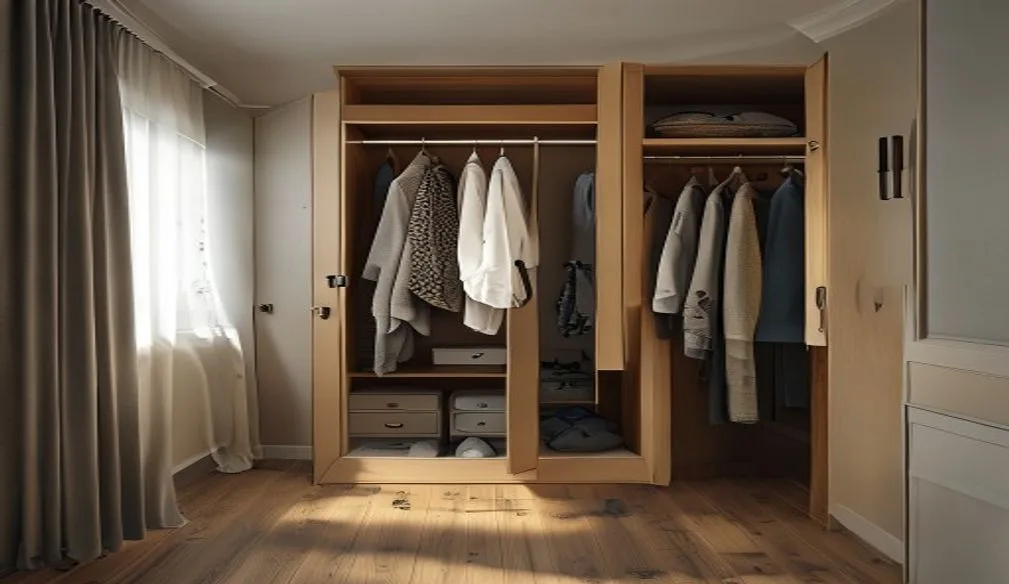
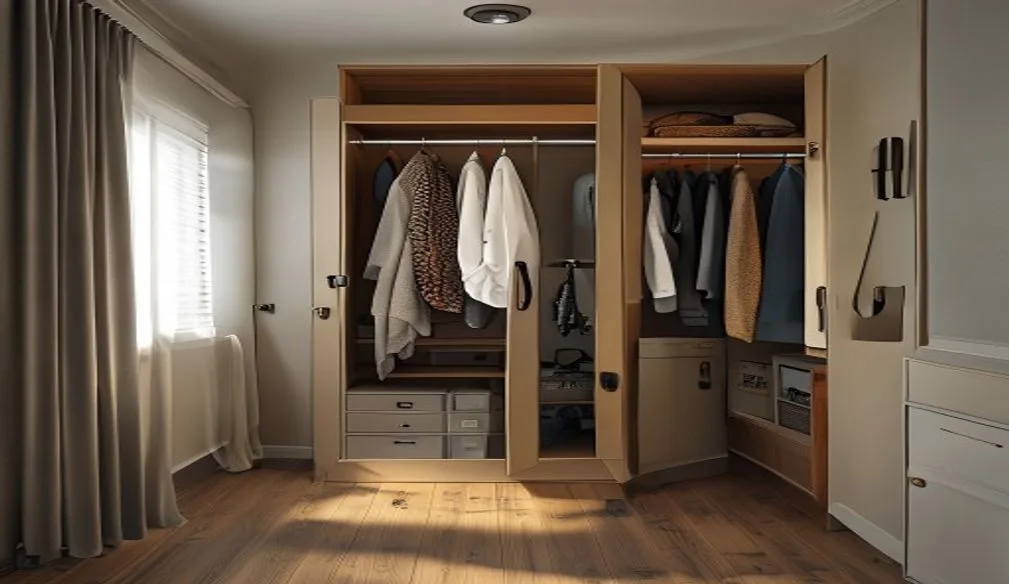
Pull the luggage rack away from the wall. Shine your light along the straps where they meet the frame; bugs love the stitching holes. Check the underside of the shelf and the joints where metal tubes connect. Open the closet and run your card along the rod brackets and the top shelf seams. I once found a cluster of adult bed bugs hiding behind a loose piece of molding in a closet that looked pristine from the doorway. Check the ironing board hinges too — they are a classic overlooked spot.
Move to the Bed Frame and Headboard
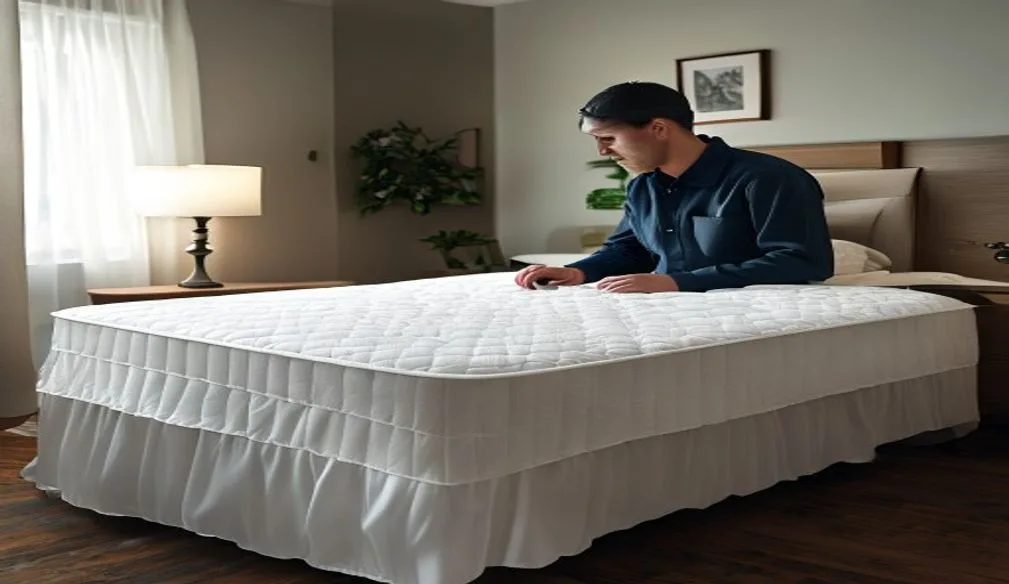
This is ground zero. Lift the mattress corners and shine the light along the piping, the tags, and the air vents on the sides. Run your card along the box spring edge where the dust cover staples to the wood frame. If the headboard is attached to the wall, you often cannot remove it, but you can slide your card behind the top edge and shine the light along the gap. I have pulled live bugs out of headboard brackets in five-star resorts that had passed visual inspection the day before. Look for the telltale black ink spots — fecal deposits — along screw heads and staple lines.
Check the Mattress and Box Spring Thoroughly
Peel back the fitted sheet completely. Inspect the mattress piping all the way around, paying special attention to the corners and the label area. Flip the mattress if you can, or at least lift the foot end to check the box spring surface. The box spring's plastic corner guards are favorite hiding spots; pop them off with your card if they are loose. The black spotting on the white dust cover looks like fountain pen dots. If you see them, do not sleep in that bed. I tell my clients that a single confirmed fecal spot is enough evidence to demand a room change immediately.
Inspect Upholstered Furniture and Nightstands
Pull the nightstands away from the wall. Check the drawer slides, the underside of the drawers, and the back panel. Upholstered chairs and sofas need the same seam-and-piping treatment you gave the mattress. Flip the cushions and run the card along the zipper tracks. Bed bugs do not limit themselves to beds; they follow the carbon dioxide trail to wherever you sit still for long periods. I have treated infestations that started entirely in a reading chair by the window.
What to Do If You Find Evidence
Do not panic and do not spray anything. Hotel staff are not licensed applicators, and over-the-counter sprays often scatter the population, making professional treatment harder later. Instead, follow these steps calmly:
- Capture ack the front desk immediately and request a new room at least two floors away, not adjacent or directly above/below.
- Place your luggage in the bathtub while you wait for the move; do not set it on the new bed until that room is cleared.
Document everything with photos — close-ups of the spotting, the bugs if visible, and the room number placard. That documentation protects you if you need to file a claim later. I always advise clients to email the photos to themselves before leaving the property so there is a timestamped record.
Protecting Your Luggage During the Stay
Once you are in a cleared room, keep your suitcase in the white zip-top bag on the luggage rack, not on the floor or the spare bed. If the room has a metal rack with straps, that is ideal; bed bugs struggle to climb smooth metal legs. I keep my own clothes in sealed packing cubes inside the suitcase. It adds a layer of friction they dislike and makes unpacking at home faster. Never store worn clothing on the floor or draped over upholstered furniture. Hang items in the closet or keep them sealed. I learned that lesson the hard way early in my career when a single hitchhiker rode home on a pair of jeans left on a hotel chair.
When You Get Home: The Unpacking Protocol
Do not bring the suitcase into your bedroom. Unpack in the garage, laundry room, or bathtub. Empty every item directly into the dryer on high heat for at least thirty minutes — heat is the only reliable non-chemical kill method for all life stages. The washer alone does not get hot enough. Vacuum the empty suitcase inside and out, paying attention to the seams and wheels, then immediately seal the vacuum bag in a plastic bag and discard it outside. Wipe the hard shell or fabric with a damp cloth and hot water. I store my empty luggage in sealed contractor bags in the garage between trips. It sounds like overkill until you see a client's bedroom infested from a single missed nymph in a suitcase pocket.
When to Involve Management or a Professional
If you find evidence in a hotel, management needs to know so they can treat the room properly. A reputable hotel will call a licensed pest management professional who uses integrated pest management — vacuuming, steam, targeted heat, and monitoring — not just a baseboard spray. If you bring bugs home, do not try to treat the bedroom yourself with foggers or dusts; those products often drive bugs deeper into wall voids where they survive for months. Call a licensed professional who specializes in bed bugs. Ask for their inspection protocol, their treatment method, and their follow-up schedule. A reputable company will offer a warranty and a clear preparation sheet. I tell my clients that the prep work — laundering, bagging, reducing clutter — is fifty percent of the cure.
Quick Reference Table for Common Hiding Spots
| Key Check Points | Tool Best Used | |
|---|---|---|
| Luggage Rack | Strap stitching, frame joints, underside | Flashlight |
| Headboard | Wall gap, bracket screws, fabric tufts | Plastic card + Flashlight |
| Mattress | Piping, tags, air vents, corner guards | Flashlight |
| Box Spring | Dust cover staples, corner guards, frame brackets | Plastic card + Flashlight |
| Nightstands | Drawer slides, underside, back panel gaps | Flashlight |
| Upholstered Chair | Seam piping, zipper tracks, cushion seams | Plastic card + Flashlight |
Final Thoughts From the Field
I have walked into hundreds of infested homes that started with a single weekend trip. The pattern is always the same: the traveler skipped the inspection because they were tired, or they assumed the hotel was too nice to have bugs. Bed bugs do not care about thread count. They care about proximity to a sleeping host. The five-minute routine I described has become muscle memory for me, and I have not brought a hitchhiker home in fifteen years of constant travel. Make it your habit, too. Keep the flashlight and card in your carry-on pocket where you cannot forget them. If you ever feel unsure about what you are seeing, snap a photo and send it to a professional before you sleep in that bed. Peace of mind is worth the extra few minutes at check-in.
Frequently Asked Questions
What are signs of bed bugs in luggage after travel?
After travel, check luggage and nearby areas for bed bug signs such as tiny brown spots (fecal marks), pale shed skins, small eggs or eggshells, and live or flattened bugs. Early detection can help prevent establishing an infestation in your home.
What are bed bug signs on walls?
Common bed bug signs on walls include tiny dark fecal dots, short rusty streaks, shed skins, and occasionally live bugs in cracks near the bed. Spots often cluster along baseboards, outlet covers, and behind headboards.
Wall stains alone are not proof—pair them with mattress seams checks and a fecal smear test. Mold and dirt can look similar, so inspect multiple areas before treating.
What are the typical signs of bed bug bites on skin?
Bites often appear as small, red, itchy welts in a line or cluster. Reactions vary, so confirm with physical signs of bed bugs and professional guidance.
How do you spot bed bugs in bookshelves and wall hangings?
Check where the shelf meets the wall, behind framed art, and along book spines that touch the headboard area. Bed bugs squeeze into tight gaps and may leave pepper-like fecal dots on paper edges or walls.
Use a flashlight and credit card to scrape along shelf lips. If you see bugs, eggs, or clustered stains, inspect the nearby bed and baseboards before moving items to other rooms.