Travel Safety

Hotel Bed Bug Prevention During Renovations

Hotel Bed Bug Prevention During Renovations
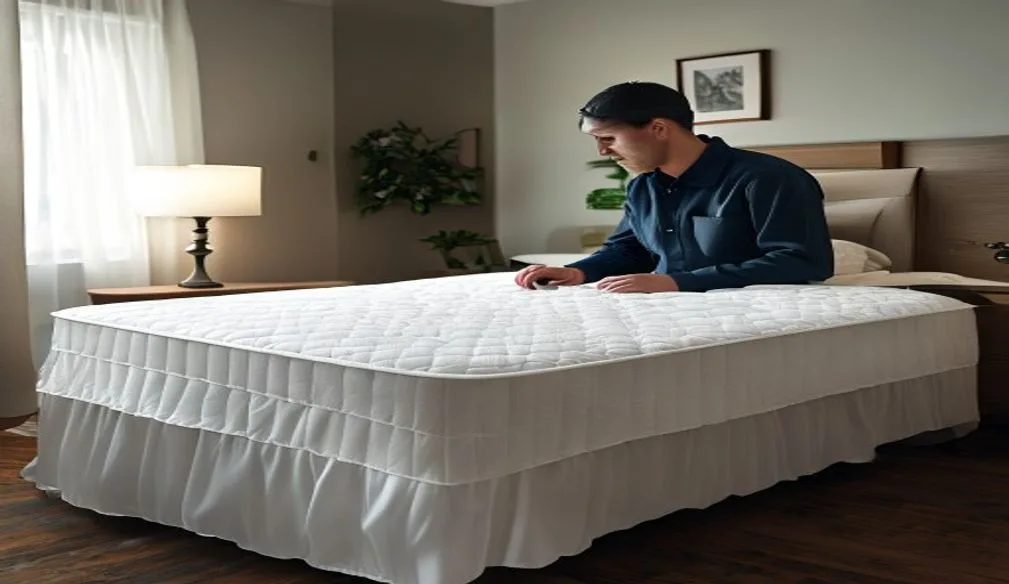
In my field work across the Midwest and the Northeast, I've walked into more bedrooms, hotel rooms, and multi-unit buildings than I can count, and the pattern is always the same: the people who catch it early are the ones who sleep sound again within weeks. What I tell clients during that first phone call is simple — bed bugs don't care how clean your sheets are, they care about access to a blood meal and a crack to hide in while they digest it. The first sign most people notice isn't a bite. It's a faint, sweet odor near the headboard or a cluster of tiny black specks along the mattress piping that smear rust-red when you dab them with a damp cloth. Those specks are digested blood, not dirt, and they tell you the colony has been feeding for weeks. I've walked into units where the tenant swore they'd only seen one bug, only to pull back the box spring and find a city of them tucked into every screw hole and staple line. That's why I tell every client: if you see one, assume there are dozens you haven't found yet. The first thing I do when I walk into a unit is pull the bed apart. Not just the sheets — the box spring, the frame, the headboard if it's attached to the wall. I run a stiff putty knife along every seam, every screw hole, every gap where the frame meets the wall. Bed bugs love the rough texture of unfinished wood and the warmth that radiates from the box spring. I've pulled out clusters the size of a thumbnail from behind a single loose piece of molding. A flashlight and a thin blade will reveal more in ten minutes than a casual glance ever will. Once the bed is stripped, the vacuum comes out. Not a handheld dust buster — a canister vac with a crevice tool and a HEPA filter if you have one. I work methodically: mattress seams, box spring edges, frame joints, baseboard cracks, the space where the carpet meets the tack strip. Every pass gets emptied immediately into a sealed bag that goes straight to the outdoor trash. I've seen people vacuum thoroughly and then leave the canister in the hallway overnight. That's how you move the problem from the bedroom to the hallway. Heat is the only non-chemical tool I trust completely. A household dryer on high heat for thirty minutes will kill every life stage, eggs included. I tell clients to strip every fabric item in the room — sheets, blankets, curtains, clothing, stuffed animals — and run them through the dryer before they go back into the treated space. Don't wash first. The dryer alone does the job, and skipping the wash cycle saves hours. I've seen people wash everything in cold water and then wonder why the problem persists. Heat penetrates fabric in a way water never will. Encasements are non-negotiable in my protocol. A quality zippered encasement on the mattress and another on the box spring traps anything inside and keeps new bugs from colonizing the seams. I specify encasements labeled for bed bugs with a zipper that closes completely to the end stop — no gaps. I've seen cheap vinyl covers tear at the zipper within a week, and that's all the opening a pregnant female needs. Leave the encasements on for at least eighteen months. Bed bugs can survive that long without feeding, and I've opened encasements after a year to find dead adult bed bugs still clinging to the fabric. Sealing cracks is the unglamorous work that prevents re-infestation. I carry a tube of silicone caulk and a putty knife on every job. Baseboard gaps, electrical plate openings, pipe penetrations, the space where the carpet meets the wall — every crack wider than a credit card gets sealed. In multi-unit buildings, I pay special attention to shared walls and utility chases. I've traced infestations moving through the void behind a bathroom vanity from one apartment to the next. Sealing those pathways doesn't kill bugs, but it stops the spread and forces the remaining population into the open where monitoring traps can catch them. Monitoring traps — the climb-up interceptors that go under bed legs — are the only way to know if you're winning. I place them under every leg of the bed and any upholstered furniture in the room. Check them weekly. A single bug in a trap after treatment means the job isn't done. Zero bugs for eight weeks means you're likely clear. I've had clients declare victory after two weeks only to call me back in month three because they stopped checking. The traps don't lie. Humidity control matters more than most people realize. Bed bugs thrive in the forty to fifty percent relative humidity range that most heated homes maintain in winter. A dehumidifier set to thirty-five percent in the affected room stresses the population and slows egg development. It's not a standalone solution, but combined with heat, vacuuming, and encasements, it tilts the environment against them. I've seen infestations linger in damp basements long after the upstairs units were clear. Travel habits are where most re-infestations start. I tell every client: never put your suitcase on the bed or the luggage rack in a hotel. Use the bathtub or a hard-surface table. When you get home, unpack directly into the dryer. The suitcase itself gets vacuumed and stored in a sealed plastic tote in the garage, not the bedroom closet. I've traced more than one recurrence to a business trip where the traveler brought home a single hitchhiker in a laptop bag. In multi-unit housing, coordination is everything. Treating one unit while the neighbors do nothing is a losing battle. I've worked with property managers who coordinate building-wide inspections, shared-wall treatments, and tenant education packets. When the whole building moves together, the success rate jumps from maybe thirty percent to over ninety. If you're a tenant, document everything in writing — photos, dates, communications with management. If you're a landlord, treat the building as a system, not a collection of isolated boxes. There are moments when the infestation has moved beyond what non-chemical methods can handle. If you're finding bugs in multiple rooms, behind electrical outlets, inside electronics, or in the ceiling, it's time to call a licensed exterminator who specializes in bed bugs. Not a general pest control company that sprays baseboards for ants and roaches — a specialist who uses heat chambers, steam injection, and targeted applications as part of an integrated plan. I've seen too many DIY attempts scatter the population into walls and neighboring units, turning a contained problem into a building-wide crisis. Bite reactions vary wildly. Some people develop angry welts within hours; others show no reaction at all. I've inspected units where one partner was covered in bites and the other had zero marks, yet both were being fed on nightly. If you're waking with unexplained bites in a line or cluster, especially on exposed skin, see a doctor for the skin reaction — but don't rely on bite patterns alone to confirm an infestation. The only confirmation is finding the bug, the cast skin, or the fecal spotting. I've been doing this work long enough to know that bed bugs don't discriminate. They show up in five-star hotels, suburban apartments, college dorms, and luxury condos with equal enthusiasm. The difference between a two-week disruption and a two-year battle comes down to speed, thoroughness, and the willingness to do the unglamorous work of sealing, vacuuming, heating, and monitoring week after week. There's no magic spray, no single treatment, no shortcut. There's only the discipline to be more persistent than the bugs are patient.

Frequently Asked Questions

What are practical DIY bed bug prevention steps?

Simple, low-risk habits can reduce the chance of bed bugs entering your home or spreading.

Practical prevention tips

  • Inspect secondhand furniture thoroughly or before bringing it indoors.
  • Use protective encasements on mattresses and box springs and seal cracks near baseboards.
  • Reduce clutter where bed bugs can hide, and vacuum regularly with a sealed bag.
  • Be cautious when traveling; inspect hotel rooms and keep luggage off floors and beds.

These are prevention strategies, not treatments; consult a professional if you suspect an infestation.

Are bed bugs active during the day?

Bed bugs are primarily nocturnal and prefer to feed at night. However, they can become active during the day if hungry, crowded, or if their nighttime host schedule changes.

What are signs of bed bugs in luggage after travel?

After travel, check luggage and nearby areas for bed bug signs such as tiny brown spots (fecal marks), pale shed skins, small eggs or eggshells, and live or flattened bugs. Early detection can help prevent establishing an infestation in your home.

How can I reduce the chance of bringing bed bugs home from travel?

Travel smart habits can lower the risk of picking up bed bugs and spreading them to your home.

  • Inspect hotel rooms for live bugs, shed skins, or dark spots on mattresses and furniture.
  • Keep luggage on a luggage rack away from beds and walls; consider using a hard-shell case.
  • Wash and dry travel clothes on high heat as soon as possible after returning home.
  • Store luggage in a sealed area for several weeks if you suspect exposure.

Early detection and careful storage help with prevention and make follow-up easier if needed.

#hotel #bed #bug #prevention #ratgeber #guide

Still have questions?

Browse more guides in this topic or speak with a specialist for urgent infestations.