Bed bugs spread through luggage. I have spent two decades inspecting hotel rooms and training hospitality staff, and the same pattern repeats: travelers who skip a ten-minute room check bring home infestations that cost thousands to eliminate. This guide gives you the exact inspection sequence I use, what to do with your belongings, and how to handle your return without panic.
What You're Actually Looking For
Bed bugs leave specific traces. Live adult bed bugs are reddish-brown, roughly apple-seed sized, and flat when unfed. Nymphs are smaller and paler. Eggs are about one millimeter, pearl-white, and glued to surfaces with a cement-like adhesive that resists brushing or casual washing.
The signs I train staff to spot first: tiny dark fecal spots (digested blood), shed skins from molting nymphs, and small blood smears on sheets from crushed bugs. These cluster in predictable locations. In my field work, I find 90 percent of evidence within three feet of the sleeping surface.
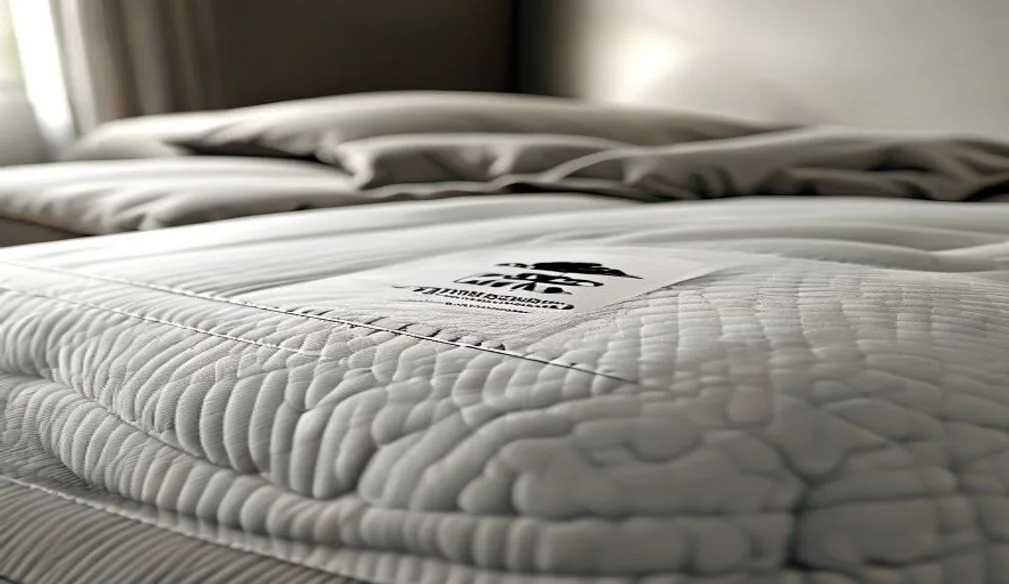
Check the mattress tag area, the corner seams where the piping meets the fabric, and any buttons or handles. Box springs are equally critical—lift the dust cover if possible and examine the wooden slats and corner protectors. Headboards mounted to walls harbor bugs in screw holes and behind mounting plates. Nightstands deserve attention too: pull out drawers and look at the underside of the tabletop where it meets the frame.
What I tell clients who call me after a trip: "If you only have two minutes, spend them on the headboard and mattress seams." These two locations reveal active infestations faster than anywhere else.
The Arrival Protocol
Before you open your suitcase, complete this sequence. It takes under fifteen minutes and has saved countless travelers from bringing bugs home.
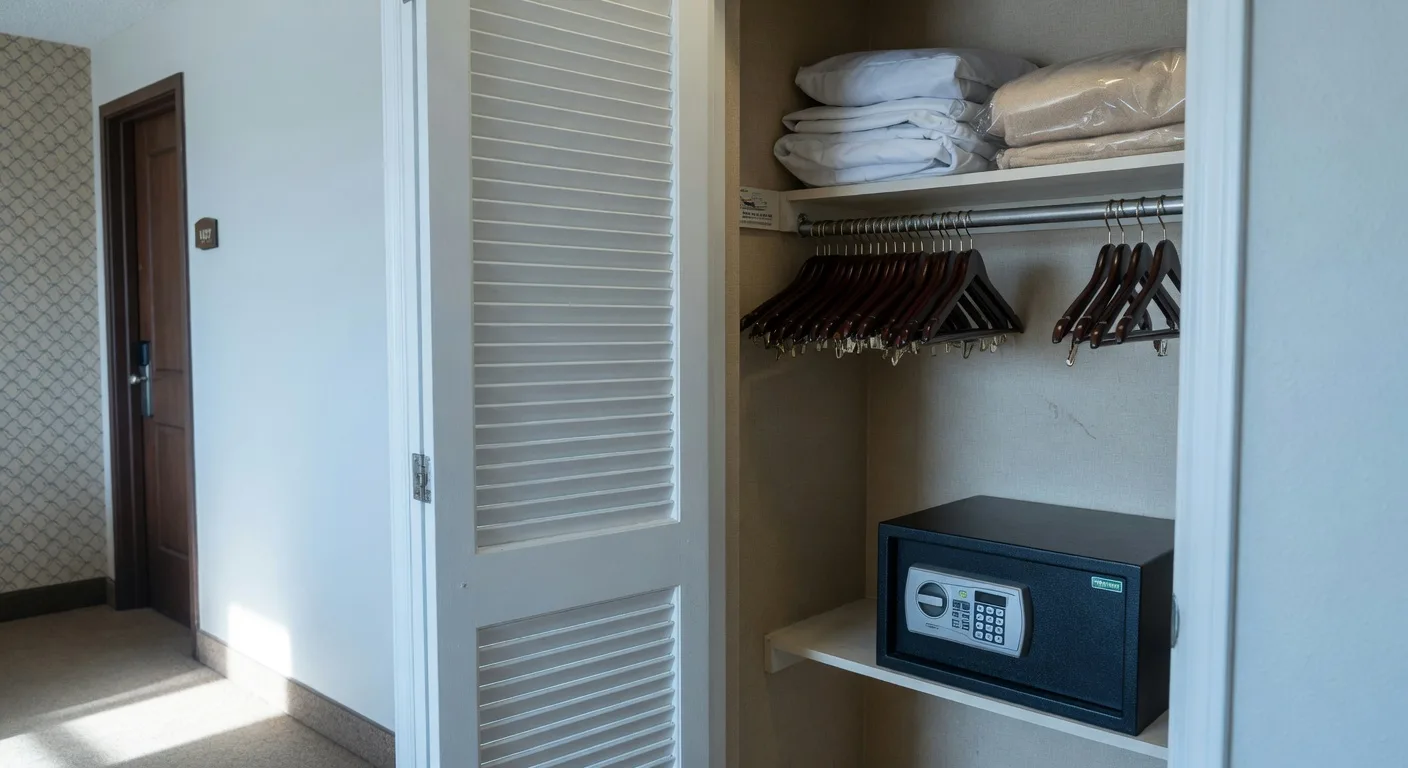
First, place your luggage in the bathroom or on a hard, light-colored surface away from upholstered furniture and bedding. I use the bathroom because tile offers no hiding spots, and any bug that falls off becomes visible. Never use the bed or upholstered chair as a staging area, even temporarily.
Next, strip the bed to the mattress. Inspect the fitted sheet for spots or smears, then examine the mattress as described above. Use your phone flashlight held at a low angle—shadows make eggs and fecal spots easier to see. A credit card or similar thin edge helps lift seam piping without tearing fabric.
Check the headboard thoroughly. Wall-mounted units are worse offenders than floor-standing ones because the gap between headboard and wall creates harborage. Shine your light into screw holes and along the back edge.
If you find any evidence, photograph it, repack immediately, and request a different room—not an adjacent one. Hotels often cluster problem rooms during treatment, so ask for a floor or wing distant from your original assignment. I often see travelers hesitate here, worried about seeming difficult. The cost of a delayed room change is nothing compared to bringing an infestation home.
Managing Your Belongings During Stay
Where your luggage sits matters as much as what you inspect. I recommend hard-shell luggage when possible; fabric offers more harborage. Keep bags closed when not actively retrieving items. The zipper gap is sufficient protection—fully sealed bags are unnecessary and create inconvenience that leads to non-compliance.
For clothing, I use a simple system. Clean clothes stay in the suitcase or hanging in the closet if you've verified the closet rod and shelf are clear. Worn items go into a sealed plastic bag—any grocery bag with a tight knot suffices. This separation prevents bugs that may have reached your worn clothes from migrating to clean ones.
What homeowners miss most is the power of the dryer. Washing alone does not reliably dislodge cemented eggs. Sustained high heat does. More on this in the return section.
Common Lookalikes and False Alarms
Not every speck is a bed bug. I have responded to hundreds of panicked calls that turned out to be harmless. Understanding these lookalikes prevents unnecessary anxiety and hotel confrontations.
| Actual Identity | How to Tell | |
|---|---|---|
| Small white ovals on fabric | Lint, fabric pilling, or dried detergent clumps | Brush with finger—lint moves or crumbles; eggs resist removal |
| Dark specks in clusters | Mold or mildew on damp upholstery | Smear test with damp cloth—mold spreads; fecal spots smear rusty brown |
| Hard shiny bumps | Glue or adhesive residue from manufacturing | Location on frame edges or tags; uniform size and distribution |
| Flaky pale material | Skin flakes or accumulated dust | Irregular shape, loose attachment, found across entire surface |
The definitive test for suspected eggs: attempt to dislodge with a fingernail. True bed bug eggs require scraping or remain fixed. Anything that brushes away easily is not an egg.
Your Return: The Critical 48 Hours
The trip home is when most infestations establish. Bed bugs that entered your luggage now seek harborage in your residence. Interrupt this search immediately upon arrival.
I tell clients to treat their return like a contamination protocol, not a punishment. First, unpack directly into the washing machine or a designated staging area—never on your bed or bedroom floor. Sort as you normally would, but every fabric item that traveled goes through the dryer on high heat for at least 45 to 60 minutes. This includes items you did not wear. Bugs and eggs survive in unworn clothing just as readily.
Hard-shell luggage gets vacuumed thoroughly, focusing on seams, wheels, and handle mechanisms. Fabric luggage is more challenging. I recommend a professional heat chamber if available, or thorough vacuuming followed by careful inspection. Store luggage away from sleeping areas—garage, basement, or sealed in a large plastic bag if space requires bedroom storage.
Shoes deserve attention. Inspect soles and interiors, especially if they rested near the bed. A quick dryer cycle works for fabric shoes; leather requires visual inspection and possible professional treatment if exposure occurred.
When Evidence Appears After You Return
Despite precautions, some travelers discover bites or signs days after returning. Do not panic, but act decisively.
First, verify your identification. Bite patterns alone are unreliable—many insects cause similar reactions, and some skin conditions mimic bites. Look for the fecal spots, shed skins, or live bugs described earlier. Check your own mattress and bedding with the same protocol you used in the hotel.
If you confirm bed bugs, isolate affected items immediately. Bag bedding and clothing in sealed plastic. Do not sleep in a different room—this spreads the infestation. Contact a licensed pest management professional. I do not recommend DIY chemical treatments; improper application wastes money, delays effective treatment, and can create health hazards.
Heat treatment by professionals remains the most reliable elimination method for home infestations. Whole-room thermal remediation raises temperatures to levels lethal to all life stages without chemical residue. Expect to vacate for several hours during treatment and follow all preparation instructions precisely.
Building the Inspection Habit
The travelers who never call my office share one trait: they inspect every room, every time, without exception. The practice becomes automatic. I have inspected thousands of rooms and found problems in properties across all price tiers—budget motels, boutique hotels, and international luxury chains. Bed bugs do not discriminate by star rating.
What I tell clients who travel frequently: keep a small flashlight in your luggage permanently. The phone light works, but a dedicated flashlight sends the signal that you know what you're doing. Hotel staff notice, and properties with something to hide become visibly uncomfortable when guests demonstrate competence.
Document your inspections. A dated photo of a clean mattress corner takes thirty seconds and provides evidence if problems emerge later. Hotels respond differently to guests with documentation than to those with vague complaints.
The investment in prevention is minimal: fifteen minutes at arrival, basic luggage management, and a dryer cycle on return. The cost of failure—professional remediation averaging thousands of dollars, lost sleep, and psychological distress—makes this arithmetic simple. Travel safe in 2026 by traveling smart.
Frequently Asked Questions
What are signs of bed bugs in luggage after travel?
After travel, check luggage and nearby areas for bed bug signs such as tiny brown spots (fecal marks), pale shed skins, small eggs or eggshells, and live or flattened bugs. Early detection can help prevent establishing an infestation in your home.
How can I reduce the chance of bringing bed bugs home from travel?
Travel smart habits can lower the risk of picking up bed bugs and spreading them to your home.
- Inspect hotel rooms for live bugs, shed skins, or dark spots on mattresses and furniture.
- Keep luggage on a luggage rack away from beds and walls; consider using a hard-shell case.
- Wash and dry travel clothes on high heat as soon as possible after returning home.
- Store luggage in a sealed area for several weeks if you suspect exposure.
Early detection and careful storage help with prevention and make follow-up easier if needed.
What are practical DIY bed bug prevention steps?
Simple, low-risk habits can reduce the chance of bed bugs entering your home or spreading.
Practical prevention tips
- Inspect secondhand furniture thoroughly or before bringing it indoors.
- Use protective encasements on mattresses and box springs and seal cracks near baseboards.
- Reduce clutter where bed bugs can hide, and vacuum regularly with a sealed bag.
- Be cautious when traveling; inspect hotel rooms and keep luggage off floors and beds.
These are prevention strategies, not treatments; consult a professional if you suspect an infestation.
Can bed bugs travel on my luggage after a trip?
Yes, bed bugs can hide in luggage, bags, and personal items after visiting a hotel or public space. This is a common way they move between locations.
- Inspect seams, pockets, and corners of your luggage.
- Keep bags on luggage racks or hard surfaces.
- Wash and dry travel clothes on high heat when you return home.
These steps help lower the chance of bed bugs spreading into your home.