Bed bugs are small, elusive, and reproduce quickly. A single pregnant female can start an infestation that grows exponentially within weeks. Relying on a quick glance at the bed sheets is not enough. A thorough, step-by-step inspection is your only reliable defense against bringing these pests home. This guide walks you through a professional-grade inspection process used by experienced pest control technicians, adapted for any traveler or homeowner.
What You Need Before You Start
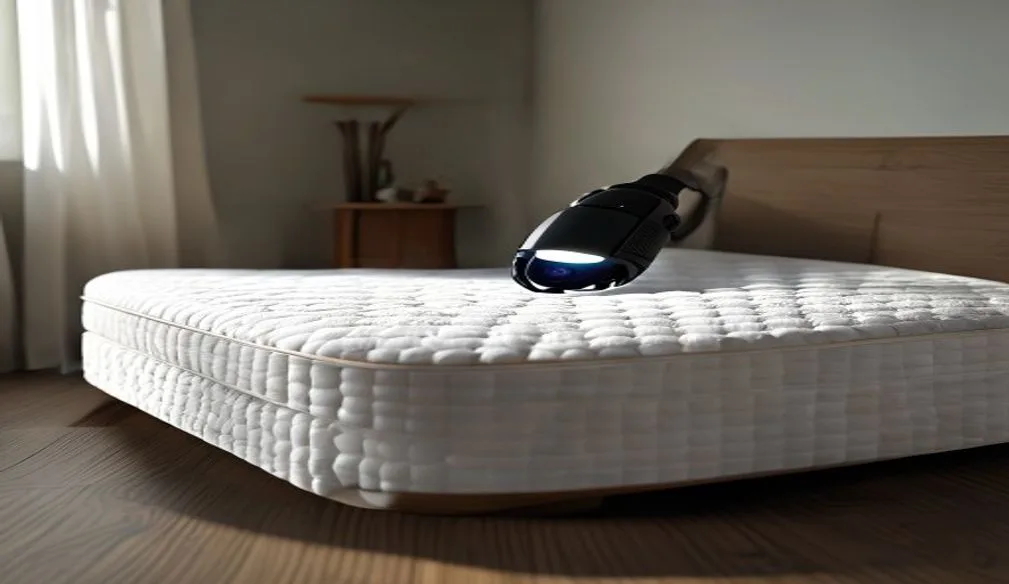
Gather a few simple tools before you begin the inspection. You do not need expensive equipment. A bright flashlight is essential. A headlamp frees both hands. A thin, stiff object like a credit card or a plastic putty knife helps you probe crevices. Latex or nitrile gloves protect your hands and prevent you from accidentally transferring bed bugs. A magnifying glass helps confirm small eggs or nymphs.
Step 1: Isolate the Bed and Remove Bedding
Start by pulling the bed away from the wall. Do not drag it across the carpet. Lift it straight out to avoid crushing any bugs or scattering evidence. Remove all bedding: sheets, pillowcases, mattress protector, and blankets. Place them in a sealed plastic bag if you suspect an infestation. This prevents bugs from escaping onto the floor or furniture.
Step 2: Inspect the Mattress Seams and Tufts
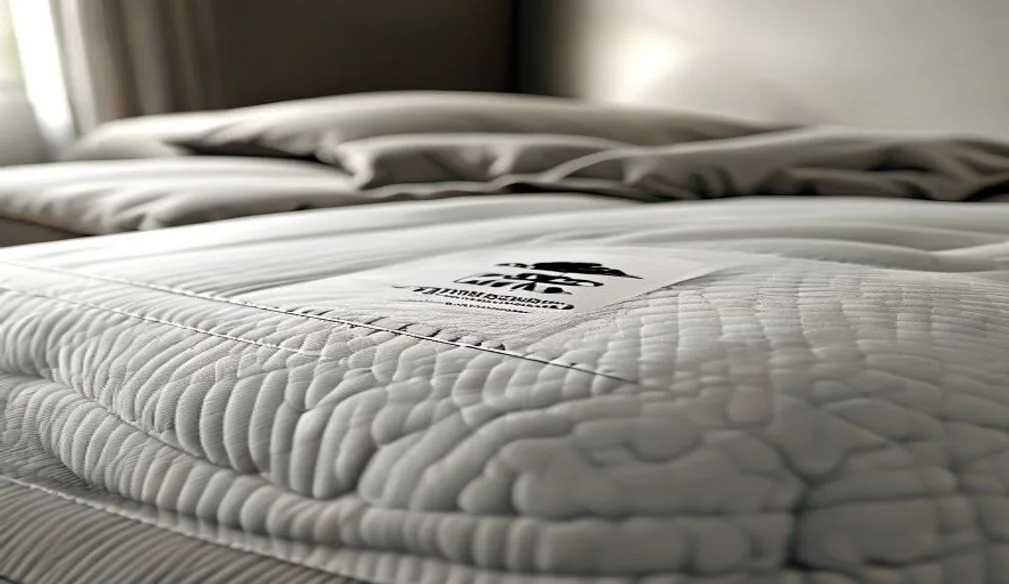
Bed bugs prefer tight, dark spaces. The seams and piping of the mattress are their primary hiding spots. Use your flashlight at a low angle to cast shadows. Look along the entire perimeter seam. Pay special attention to the corners and the area around the mattress tag. Part the fabric with your credit card or putty knife to expose the inner seam. Look for these signs:
- Live bugs: adult bed bugs are about the size of an apple seed, reddish-brown, and oval. Nymphs are smaller and pale yellow or translucent.
- Fecal spots: Small, dark, rust-colored stains. They look like dots made by a fine-tipped marker. They smear if touched with a damp cloth.
- Shed skins: Translucent, hollow exoskeletons left behind as nymphs molt. They are often found near seams.
- Eggs: Tiny, white, about 1 mm long, and shaped like a grain of rice. They are cemented to fabric and difficult to remove.
Do not forget to inspect any tufts or buttons or decorative stitching on the mattress surface. These are common harborage points.
Step 3: Examine the Box Spring and Bed Frame
The box spring is a major harbor. Flip the mattress off the bed frame and lean it against a wall. Inspect the box spring fabric, especially the corners and the underside where the fabric is stapled to the wood frame. Use your flashlight to look under the dust cover. If the fabric is torn, use your probe to inspect inside the box spring cavity. Bed bugs often hide in the hollow wooden frame.
Next, inspect the bed frame itself. Focus on joints, screw holes, and any cracks or crevices in the metal or wood. Pay attention to the slats and the headboard. Remove the headboard from the wall if possible. The back of the headboard is a prime hiding spot. Examine the wall behind the headboard for any signs of bugs or dark spots.
Step 4: Expand the Search to Surrounding Furniture
Bed bugs do not stay only on the bed. They travel. Inspect nightstands, dressers, chairs, and any upholstered furniture within 10 to 15 feet of the bed. Pull out nightstand drawers completely. Inspect the inside corners, the underside of the drawer, and the drawer slides. Look inside the dresser frame, especially at the back corners. Check behind picture frames, wall art, and loose wallpaper. Inspect the baseboards near the bed, focusing on cracks and gaps. Use the edge of your credit card to scrape along the baseboard seam. This can dislodge hiding bugs or reveal fecal stains.
Step 5: Check Upholstered Furniture and Curtains
Upholstered chairs and sofas require careful attention. Inspect the seams, welting, and under the cushions. Flip the furniture over if possible. Look at the dust cover fabric on the bottom. Check the folds and creases of curtains and drapes. Bed bugs can climb fabric and hide in the pleats. Inspect the curtain rod brackets and any fabric touching the floor.
Common Signs That You Should Not Overlook
Many travelers forget to inspect these areas. Check the luggage rack. Do not place your bags on the bed or upholstered furniture until the inspection is complete. Inspect the luggage rack itself for any signs of bugs. Look at the telephone, alarm clock, and lamps on the nightstand. Check the seams of the carpet near the wall, especially where the carpet meets the baseboard. Inspect any electrical outlets or switch plates near the bed. Use a non-conductive probe to look inside the outlet gap. Do not insert metal objects.
Step 7: Use a Systematic Search Pattern
Do not jump around the room randomly. Follow a logical order. Start at the bed, move to the box spring, then the bed frame. Expand outward to nightstands, then to other furniture, then to walls and baseboards. This ensures you cover every potential hiding spot without missing anything. If you find any sign of bed bugs, stop your inspection. Do not disturb the area further. Notify the front desk or property owner immediately. Do not move your luggage into the room.
Key Differences Between Active Infestation and Old Stains
It is important to distinguish between an active infestation and old, dried stains. Fresh fecal spots are dark and will smear when touched with a damp cloth. Dried spots are crusty and may flake off. Live bugs or fresh eggs indicate an active problem. Old shed skins alone may indicate a past infestation that was treated. However, finding any evidence in a hotel room is reason enough to request a different room or to avoid the property entirely. Do not take chances.
Common Mistakes to Avoid
- Relying on sight alone: Bed bugs are masters of hiding. You must probe seams and crevices physically.
- Ignoring the box spring: This is the most common hiding spot. Many people only check the mattress.
- Using only a phone flashlight: A dedicated flashlight is much brighter and allows you to cast shadows effectively.
- Not removing the headboard: The back of the headboard is a classic hiding place.
- Checking only the bed: Bed bugs can travel to nearby furniture and walls.
What to Do If You Find Evidence
If you find any sign of bed bugs during your inspection, take immediate action. Do not unpack. Do not sit on the bed or upholstered furniture. Keep your luggage in the bathroom or on the tile floor. Notify the front desk or property manager. Request a different room that is not adjacent to the infested room. Inspect the new room thoroughly before moving in. If you are at home, contact a licensed pest control professional. Do not attempt to treat a large infestation yourself with over-the-counter products. They are often ineffective and can spread the infestation.
Prevention Tips for Travelers
Use a hard-sided suitcase. Bed bugs have a harder time climbing smooth plastic surfaces. Keep your luggage on a metal luggage rack, not on the bed or floor. Use a luggage liner or encasement. When you return home, inspect your luggage outside before bringing it inside. Wash all clothing from the trip in hot water and dry on high heat for at least 30 minutes. Vacuum your suitcase thoroughly and store it in a sealed plastic bag or bin.
Frequently Asked Questions
Can I see bed bug eggs with the naked eye?
Yes, but they are very small. Bed bug eggs are about 1 mm long, white, and resemble tiny grains of rice. A magnifying glass or a bright flashlight helps significantly. They are often found in clusters in seams and crevices.
How long does a thorough bed bug inspection take?
A proper inspection of a single hotel room should take at least 10 to 15 minutes. A more detailed inspection of a bedroom at home may take 20 to 30 minutes. Rushing increases the chance of missing signs.
Do bed bugs only hide on the bed?
No. While the bed is their primary harborage, they can hide in nightstands, dressers, upholstered chairs, baseboards, picture frames, and even behind loose wallpaper. They travel up to 20 feet from the bed to feed.
Can I use a dog to inspect for bed bugs?
Yes, professionally trained bed bug detection dogs are highly accurate. However, this service is typically used by pest control companies for large-scale inspections. For a single hotel room, a visual inspection is sufficient.
What is the best light color for finding bed bugs?
White light from a bright flashlight is best. Red light does not provide enough contrast to spot fecal spots or shed skins. A flashlight with a focused beam allows you to cast shadows and see into crevices.
Will a UV light help find bed bugs?
No. Bed bugs and their signs do not fluoresce under UV light. UV lights are not effective for bed bug detection. Stick to a standard bright flashlight.
Can bed bugs survive in the washing machine?
Washing alone does not reliably kill bed bugs. The water temperature may not be high enough, and the agitation does not always dislodge them. The heat of the dryer is what kills them. Dry clothing on high heat for at least 30 minutes after washing.
How long can bed bugs live without feeding?
adult bed bugs can survive for several months without a blood meal under cool conditions. Nymphs require a blood meal to molt and develop. This is why infestations can persist in vacant rooms.
Frequently Asked Questions
What are practical DIY bed bug prevention steps?
These low-risk habits can reduce the chance of bed bugs spreading in your home.
- Inspect secondhand furniture thoroughly before bringing it indoors.
- Use a protective encasement on mattresses and box springs and zip pillow protectors.
- Reduce clutter where bed bugs can hide and vacuum floors regularly.
Combine prevention with early detection; consider professional help if you find signs.
How can you find bed bugs during an inspection?
Use a bright flashlight and a credit card to scrape along mattress seams where bugs hide flat. Search cracks in bed frames, outlet plates, and carpet edges near the bed.
Signs include rusty blood spots on sheets, pepper-like fecal dots, and a sweet musty odor in heavy infestations. If you are unsure, a licensed pest inspector can confirm with trained eyes and tools.
How can I confirm bed bugs are gone after treatment?
Use a combination of monitoring methods over several weeks.
- Place interceptors on bed legs and check for trapped insects.
- Inspect common hiding spots with a flashlight and magnifier if available.
- Look for new cast skins, tiny dark spots (fecal stains), or live bugs.
Continue monitoring and follow up with your pest professional if signs return.
How long do bed bugs live without a blood meal?
Bed bugs can survive several months without feeding, though many live closer to 5–6 weeks under typical home conditions. Factors like temperature, humidity, and life stage influence their survival time.