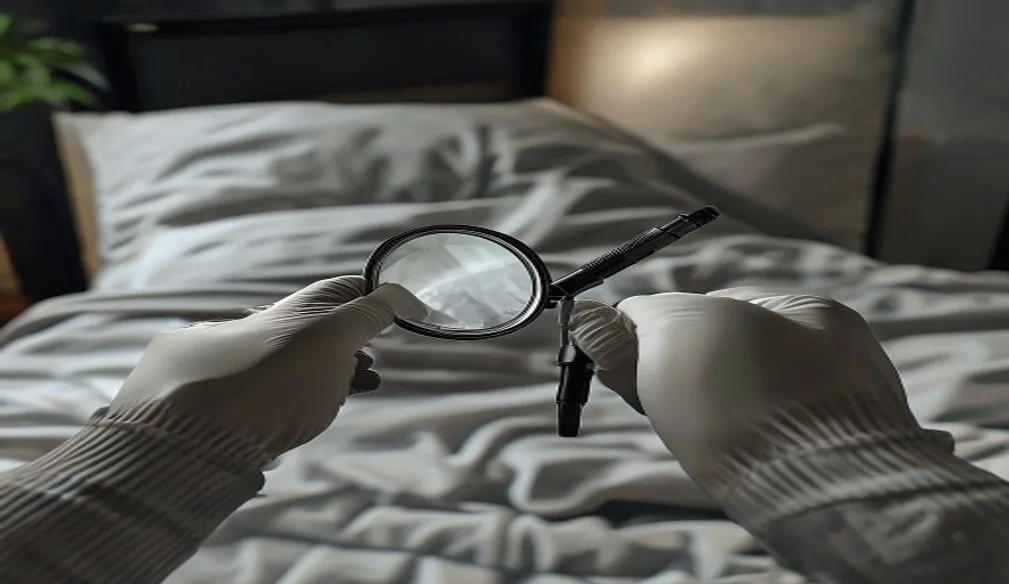
Disinfecting a couch after bed bug treatment is crucial to prevent re-infestation and ensure the treatment's effectiveness. To start, you should focus on removing residual debris, dead insects, and eggs that may still be present on the couch. This guide provides a step-by-step protocol for cleaning and disinfecting upholstered furniture after bed bug extermination, based on over two decades of field experience.
Immediate Action: First 24 Hours
In the first 24 hours after treatment, it's essential to take immediate action to prevent further infestation. Here are the steps to follow:
- Vacuum the couch thoroughly, paying special attention to seams, crevices, and areas around cushions. Use a vacuum cleaner with a HEPA filter to trap bed bugs and their eggs.
- Remove all cushions, pillows, and throw blankets and wash them in hot water (at least 120°F) and dry them on high heat for at least 45-60 minutes. This will help kill any remaining bed bugs and eggs.
- Use a steam cleaner to kill any remaining bed bugs and eggs on the couch, especially in areas where the fabric meets the wood or metal frame. Steam cleaning can be an effective way to reach into tight spaces and kill bed bugs and eggs.
- Inspect the couch for any signs of bed bugs, such as live bugs, eggs, or fecal spots, and document any findings for future reference. This will help you track the effectiveness of the treatment and identify any areas that may need additional attention.
These initial steps will help prevent the spread of bed bugs and ensure that the treatment is effective. It's also essential to be thorough and meticulous in your cleaning and inspection to ensure that all areas of the couch are treated.
Understanding Bed Bug Biology and Behavior
Bed bugs are notorious for their ability to hide and survive in small crevices and cracks. They can lay eggs in these areas, which can hatch into new bed bugs, making it essential to understand their biology and behavior. Bed bug eggs are about 1 mm long, pearl-white, and firmly cemented to fabric with a strong adhesive. They do not brush off easily and require sustained high heat to kill embryos.
In my field work, I often see homeowners overlooking the importance of heat treatment in eliminating bed bug eggs. It's crucial to use a clothes dryer on high heat for at least 45-60 minutes to kill eggs and prevent re-infestation. Additionally, it's essential to understand that bed bugs can survive for months without feeding, making it essential to be thorough and persistent in your treatment and cleaning efforts.
Step-by-Step Disinfection Protocol
Disinfecting a couch after bed bug treatment involves a series of steps to ensure that all areas are thoroughly cleaned and disinfected. Here's a step-by-step guide:
- Vacuum the couch using a vacuum cleaner with a HEPA filter, paying special attention to seams, crevices, and areas around cushions. This will help remove any debris, dead insects, and eggs that may be present on the surface of the couch.
- Remove all cushions, pillows, and throw blankets and wash them in hot water (at least 120°F) and dry them on high heat for at least 45-60 minutes. This will help kill any remaining bed bugs and eggs that may be present on these items.
- Use a steam cleaner to kill any remaining bed bugs and eggs on the couch, especially in areas where the fabric meets the wood or metal frame. Steam cleaning can be an effective way to reach into tight spaces and kill bed bugs and eggs.
- Clean the couch using a mild upholstery shampoo or a mixture of distilled water and a few drops of dish soap, applying it to a soft cloth and blotting the area, then rinsing with a damp cloth. This will help remove any remaining dirt, grime, or bed bug residue from the surface of the couch.
- Allow the couch to air dry completely, using fans or a dehumidifier to speed up the drying process if necessary. This will help prevent moisture from becoming trapped in the couch, which can promote mold growth and create an environment conducive to bed bug infestation.
It's essential to follow these steps carefully to ensure that the couch is thoroughly disinfected and free of bed bugs and eggs. Additionally, it's crucial to be patient and thorough in your cleaning and treatment efforts, as bed bugs can be notoriously difficult to eliminate.
When to Call a Licensed Professional
In some situations, it may be necessary to call a licensed professional to disinfect a couch after bed bug treatment. Here are some scenarios where professional help is recommended:
- The couch has a complex frame with many crevices and hidden compartments, making it difficult to clean and disinfect thoroughly. A licensed professional will have the necessary equipment and expertise to reach into these areas and ensure that they are properly treated.
- There are signs of bed bug activity, such as live bugs, eggs, or fecal spots, after treatment. This may indicate that the initial treatment was not fully effective, and additional treatment may be necessary to eliminate the infestation.
- The fabric is delicate or antique, and requires special care and attention. A licensed professional will have the necessary expertise and equipment to clean and disinfect these types of fabrics without causing damage.
- There is a suspicion of mold growth or other moisture-related issues. A licensed professional will be able to assess the situation and provide the necessary treatment to eliminate any mold or moisture-related problems.
A licensed professional can use industrial-grade equipment and techniques to ensure that the couch is thoroughly disinfected and free of bed bugs and eggs. They will also be able to provide guidance and recommendations for preventing future infestations and ensuring that the couch remains bed bug-free.
Frequently Asked Questions
Can I use a disinfectant spray to kill bed bugs on my couch?
No, disinfectant sprays are not effective in killing bed bugs or their eggs. Instead, use a combination of heat treatment, vacuuming, and steam cleaning to ensure that the couch is thoroughly disinfected. Disinfectant sprays may not penetrate deeply enough into the fabric to reach bed bugs and eggs, and may not provide the sustained heat necessary to kill embryos.
How long does it take for bed bug eggs to die after treatment?
Bed bug eggs require sustained heat above 120°F (50°C) for at least 45-60 minutes to ensure embryo death. Chemical treatments may not penetrate the egg shell effectively, making heat treatment the most reliable method. It's essential to use a combination of heat treatment and other methods, such as vacuuming and steam cleaning, to ensure that all areas of the couch are thoroughly treated.
Can I wash my couch cushions in cold water to kill bed bug eggs?
No, cold water does not kill bed bug eggs. The adhesive that cements eggs to fabric also resists water, making it essential to use heat treatment to kill embryos. Washing couch cushions in cold water may not provide the necessary heat to kill bed bug eggs, and may not be effective in eliminating the infestation.
Is it safe to sit on my couch immediately after disinfecting it?
No, it's recommended to wait until the couch is completely dry before sitting on it. This can take 24-48 hours, depending on humidity and ventilation. Sitting on a damp couch can compress moisture into the foam and promote mold growth, which can create an environment conducive to bed bug infestation.
What should I do if I find live bed bugs on my couch after treatment?
Stop cleaning and contact your pest control professional immediately. Live bugs indicate that the initial treatment did not fully eliminate the infestation. Do not attempt to treat the couch yourself with over-the-counter sprays, as this can cause bed bugs to scatter and worsen the problem. A licensed professional will be able to assess the situation and provide the necessary treatment to eliminate the infestation.
How can I prevent bed bug infestations in the future?
To prevent bed bug infestations in the future, it's essential to be proactive and take steps to reduce the risk of infestation. This can include regularly inspecting your couch and other furniture for signs of bed bugs, using mattress encasements and bed bug-proof box spring covers, and being cautious when bringing used furniture into your home. Additionally, it's essential to be aware of the signs of bed bug infestation, such as live bugs, eggs, or fecal spots, and to take action immediately if you suspect an infestation.
Frequently Asked Questions
How can I confirm bed bugs are gone after treatment?
Use a combination of monitoring methods over several weeks.
- Place interceptors on bed legs and check for trapped insects.
- Inspect common hiding spots with a flashlight and magnifier if available.
- Look for new cast skins, tiny dark spots (fecal stains), or live bugs.
Continue monitoring and follow up with your pest professional if signs return.
What should I do before a professional heat treatment?
Preparation is key to effective heat treatment. Remove or securely bag items that could be damaged by heat, and follow all instructions provided by your pest control company.
Typical steps include decluttering, washing and drying fabrics on high heat, and keeping treated areas accessible. Do not apply DIY pesticides before heat treatment, as they can be dangerous and reduce effectiveness.
How do I prepare for a professional bed bug treatment?
Follow these steps to help a pest professional be effective and safe.
- Wash and dry infested clothing and linens on the hottest settings allowed.
- Declutter floors and surfaces to reduce hiding spots.
- Seal items you cannot treat in labeled plastic bags until they can be inspected or treated.
Discuss any health concerns or special needs with your pest control provider before treatment.
How long does professional heat treatment take?
Professional heat treatments for bed bugs usually require several hours to raise room temperatures to levels that affect all life stages. You should plan for limited access during the service and follow any pre- and post-treatment guidance provided by the pest management professional.