Recognizing Bed Bug Bites on Infant Skin
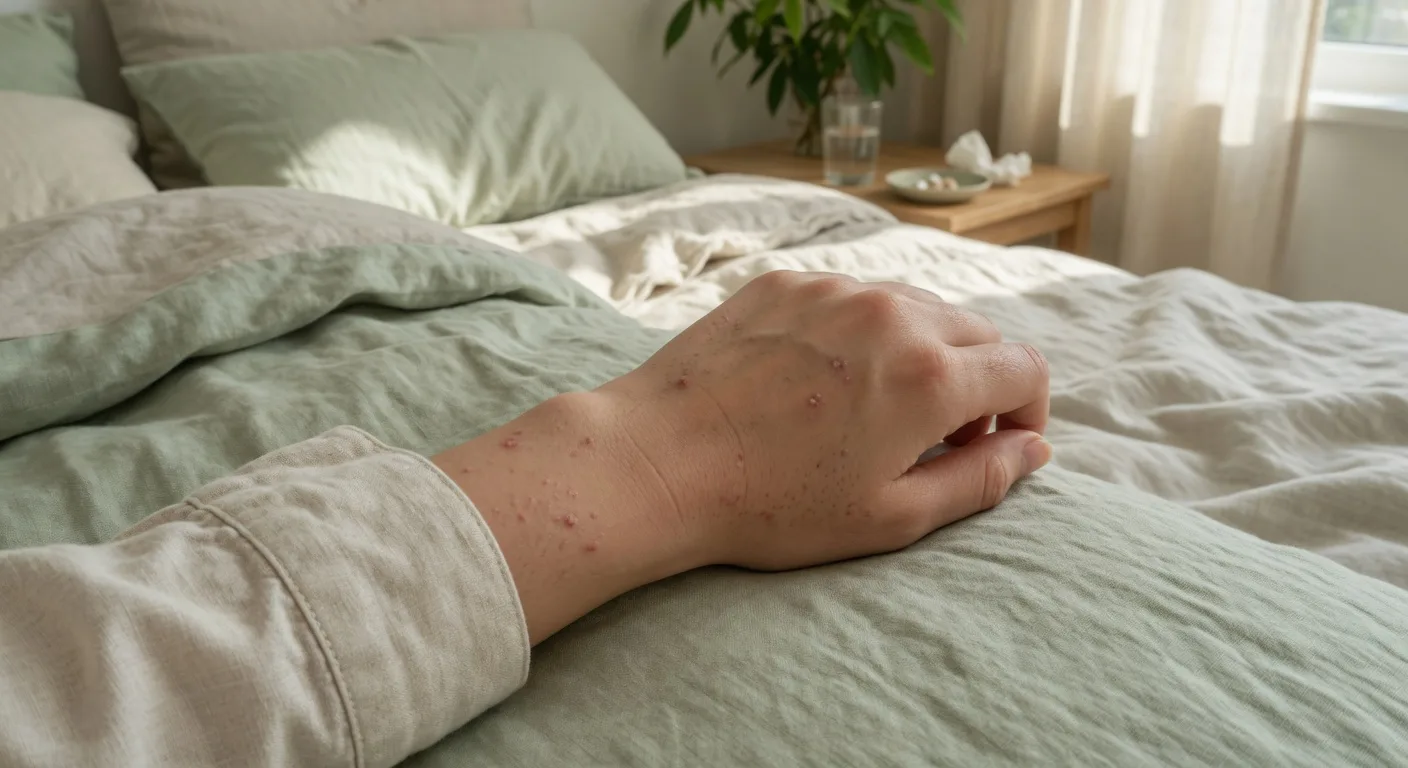
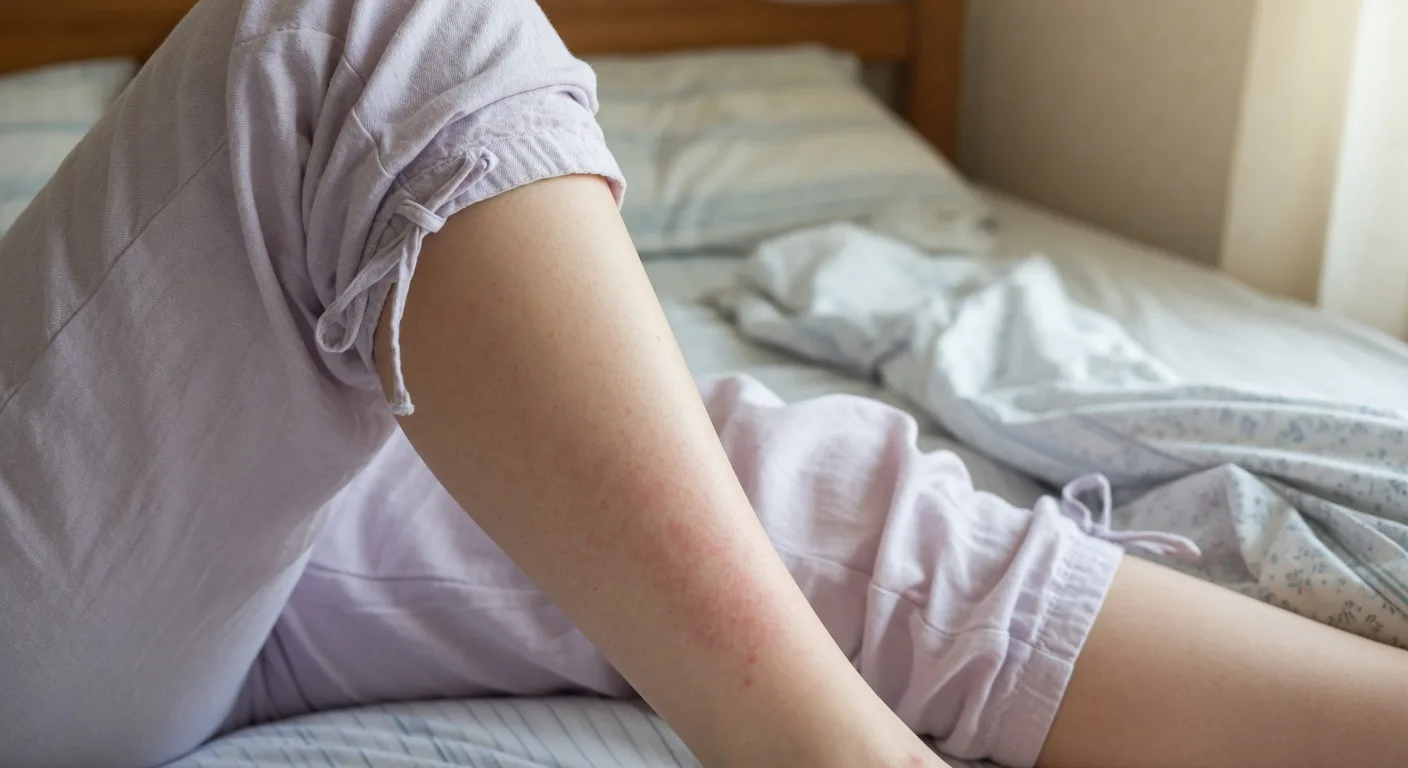
Bed bug bites on babies can look different than bites on adults because infant skin is thinner, more reactive, and less tolerant of scratching. The classic pattern is a cluster of small, red, raised welts often arranged in a line or zigzag — sometimes called "breakfast, lunch, and dinner" bites. However, not every baby shows the same reaction. Some develop only tiny pink dots, while others get large, swollen hives. The key is to look for bites that appear after sleep, especially on exposed areas like the face, neck, arms, and legs that aren't fully covered by pajamas.
Because babies cannot tell you they are itching, watch for fussiness, trouble sleeping, or rubbing against crib sheets. Bites are usually not present on the palms or soles because bed bugs prefer thin skin. The bites themselves are not only cause discomfort but can also lead to secondary infections if scratched open. If you suspect bed bugs, inspect the crib, mattress seams, and baseboards for live bugs, shed skins, or dark fecal spots.
Distinguishing Bed Bug Bites from Other Baby Rashes
Many conditions look similar to bed bug bites on babies. Use the table below to tell them apart based on location, pattern, and timing.
ConditionAppearanceLocation on BabyKey Differences from Bed Bug BitesBed bug bitesRed, raised welts (1–5 mm); often in lines or clustersFace, neck, arms, legs (exposed skin)Appear after sleep; no crusting or weeping; central puncture may be visibleHeat rash (miliaria)Tiny red bumps or fluid-filled blistersNeck, chest, diaper area, skin foldsClears when baby cools down; no linear patternEczema (atopic dermatitis)Dry, scaly, itchy patches; may oozeCheeks, scalp, elbows, kneesChronic; appears before sleep or seasonally; not limited to exposed skinHives (urticaria)Raised, pale-centered welts that change shapeAnywhere, often widespreadCome and go within hours; triggered by food, medicine, or allergensScabiesTiny burrows (gray lines), intense itching at nightWrists, between fingers, armpits, groinBurrows visible; affects other family members; not limited to exposed skinMosquito bitesSingle or few raised bumps with a central dotAnywhere exposed, often lower legsUsually solitary; appear after outdoor exposure; no fecal spots
If you see bites in a line or cluster that appear only after the baby has been sleeping in the same crib or bed, bed bugs are the most likely cause. Check the mattress seams for tiny black specks (bed bug droppings) or translucent shed skins.
Why Babies React Differently to Bed Bug Bites
Infant immune systems are still developing. Some babies have no visible reaction at all to bed bug saliva, while others develop large, angry welts. The saliva contains anticoagulants and proteins that trigger histamine release. Because a baby's skin is thinner and has more blood flow near the surface, the inflammatory response can be more dramatic. However, a lack of reaction does not mean no bed bugs — it only means the baby is not allergic to the bites. Always look for physical evidence of the insects.
It is also common for bites to appear 1–3 days after the actual feeding. This delayed reaction can confuse parents who think the bites happened overnight but see them the next evening. Keep a diary of when bites appear and where the baby slept.
Immediate Steps to Treat Bed Bug Bites on a Baby
Do not apply any creams or ointments without consulting a pediatrician, especially for infants under 6 months. General guidelines include:
- Wash the area with mild soap and cool water to reduce irritation.
- Apply a cold compress (a clean cloth dipped in cold water) for 5–10 minutes to soothe swelling.
- Trim baby's nails short to minimize damage from scratching.
- Use a pediatrician-approved anti-itch cream like 1% hydrocortisone (only if recommended) or calamine lotion for older infants.
- Monitor for signs of infection: increased redness, warmth, pus, or fever. Seek medical care if these appear.
Never use antihistamine creams or oral antihistamines without a doctor's advice. For severe reactions, a pediatrician may prescribe a mild steroid cream or oral antihistamine safe for infants.
How to Eliminate Bed Bugs from Your Baby's Sleeping Area
Treating the bites is only half the solution. You must eliminate the infestation to prevent further bites. Bed bugs hide in cracks, mattress seams, bed frames, and baseboards. Follow these steps:
- Inspect thoroughly — use a flashlight and credit card to scrape along mattress seams, behind headboards, and inside crib slats.
- Encasements — cover the mattress and box spring with a bed bug-proof encasement. This traps bugs inside and prevents new ones from reaching the baby.
- Heat treatment — wash all bedding and baby clothes in hot water (at least 120°F / 50°C) and dry on high heat for 45–60 minutes. The heat kills all life stages. Note: washing alone may not dislodge eggs because they are cemented with a strong adhesive; the dryer heat is essential.
- Steam or vacuum — use a steamer on mattress seams and furniture cracks (steam at 212°F / 100°C kills instantly). Vacuum thoroughly and dispose of the bag outside.
- Remove clutter — reduce hiding spots near the crib.
- Consider professional pest control — for heavy infestations, a licensed exterminator can apply safe insecticides or whole-home heat treatment. Ask about pet and baby safety.
Do not use bug bombs or foggers; they scatter bed bugs and make the problem worse.
Common Lookalikes: What Is Not a Bed Bug Bite?
Parents often mistake other marks on baby skin for bed bug bites. Here are items that look similar but are caused by something else:
- Lint or fabric pilling — small balls of fiber that stick to baby's skin after washing. They are not bites at all, but can be mistaken for small and red if the skin is irritated underneath.
- Dried detergent clumps — residue from laundry detergent that can cause contact dermatitis, appearing as red bumps.
- Mold or mildew — black or green spots on the mattress that can cause allergic reactions resembling bites.
- Glue or adhesive residue — from diaper tabs or clothing tags, causing small red marks.
- Skin flakes or cradle cap — flaky patches on the scalp that can be mistaken for bites on the face.
- Milia or baby acne — tiny white or red bumps on the face that are not itchy and not caused by bugs.
If you are unsure, examine the crib for actual bed bug signs: live bugs, rust-colored stains (crushed bugs), or dark fecal spots. Bites alone are not proof of bed bugs.
Frequently Asked Questions
Can bed bug bites cause serious health problems in babies?
In most cases, bed bug bites are not dangerous. The main risks are secondary infection from scratching and sleep disruption. Allergic reactions are rare but can include large blisters or hives. Anaphylaxis is extremely rare. However, if your baby develops difficulty breathing, swelling of the lips or tongue, or a widespread rash, seek emergency care.
Do bed bugs only bite at night?
Bed bugs are nocturnal and prefer to feed when the host is still. However, if they are hungry and the baby naps during the day, they can bite then too. They are attracted to body heat and carbon dioxide.
How long do bed bug bites last on a baby?
Without treatment, bites may last 3–7 days. With proper care (cold compresses, anti-itch cream), they often fade within a few days. Scratching can prolong healing and cause scars.
Can I use essential oils on my baby's bed bug bites?
No. Essential oils are not regulated and can irritate or sensitize baby skin. Some oils (like tea tree) are toxic if ingested. Stick to pediatrician-approved treatments.
Will washing the baby's bedding in cold water kill bed bugs?
No. Cold or warm water does not kill bed bugs or their eggs. Only sustained heat above 120°F (50°C) for at least 20 minutes kills all stages. Dry on high heat for 45–60 minutes after washing.
Should I throw away the crib mattress?
Not necessarily. If the mattress is heavily infested and not encased, you may need to replace it. However, a bed bug-proof encasement can seal the mattress and allow you to keep it. Always treat the frame and surrounding area.
When to Call a Professional
If you have identified bed bugs in your home, especially in a baby's room, do not delay. Infestations grow quickly — a single female can lay 200–500 eggs in her lifetime. Professional pest control can use heat treatments, steam, and targeted insecticides that are safe for infants when applied correctly. Always ask the exterminator about the product's safety for children and pets. Never use DIY pesticide sprays on cribs or bedding.
Remember: the presence of bed bugs is not a reflection of cleanliness. They can hitchhike on luggage, secondhand furniture, or visitors' belongings. With prompt and thorough action, you can eliminate them and protect your baby's skin.
Frequently Asked Questions
How do I identify bed bug bites vs other insect bites?
Bed bug bites often appear in a line or cluster, are intensely itchy, and may take a few days to show. Unlike flea bites, which are mainly around the ankles, bed bugs can occur on any exposed skin.
Common signs include small red bumps, possible swelling, and a central puncture mark. If you suspect bed bugs, capture a specimen or photograph bites and contact a pest professional for confirmation.
What does a bed bug infestation smell like?
Heavy infestations may produce a sweet, musty odor described as similar to berries or coriander. This scent comes from scent glands and is more noticeable when bugs are disturbed or clustered.
What are signs of bed bugs in luggage after travel?
After travel, check luggage and nearby areas for bed bug signs such as tiny brown spots (fecal marks), pale shed skins, small eggs or eggshells, and live or flattened bugs. Early detection can help prevent establishing an infestation in your home.
What do bed bug bites typically look like and how can I tell them apart?
Bed bug bites often appear as small, red, itchy bumps, usually in lines or clusters, but reactions vary. Other insects or skin conditions can look similar, so it’s best to consult a healthcare provider for an accurate assessment.
- Common signs include raised welts, mild swelling, and itchiness.
- Bites may appear on exposed skin, especially around arms, neck, or face during sleep.
- Track new patterns and avoid scratching to lower infection risk.
Only a qualified professional can confirm bed bugs through inspection and evidence, not bite appearance alone.
How can I identify an active bed bug infestation early?
Look for small blood spots on sheets, dark speck-like droppings, and tiny pale eggs or shed skins. A musty sweet odor can also signal a larger infestation.