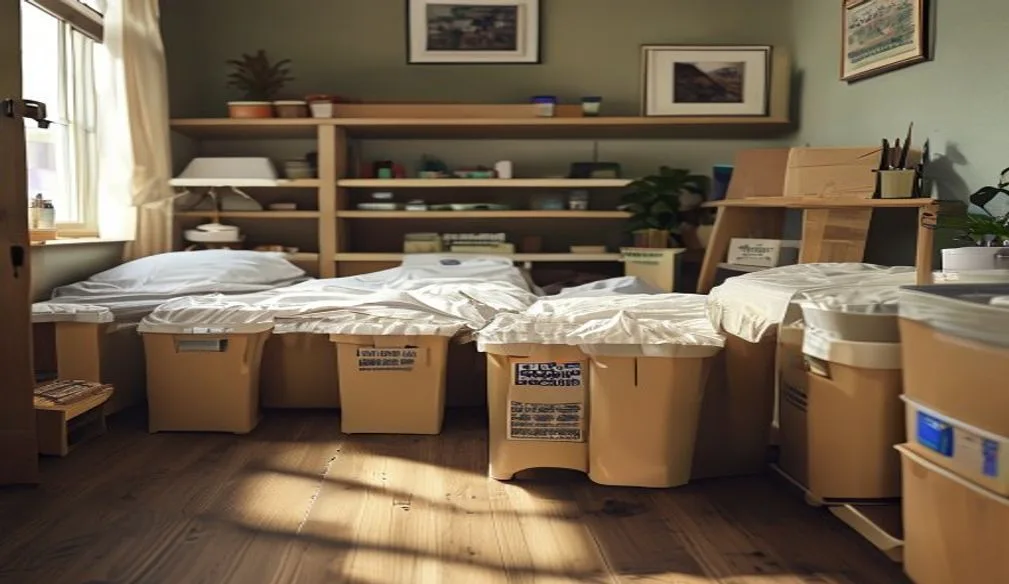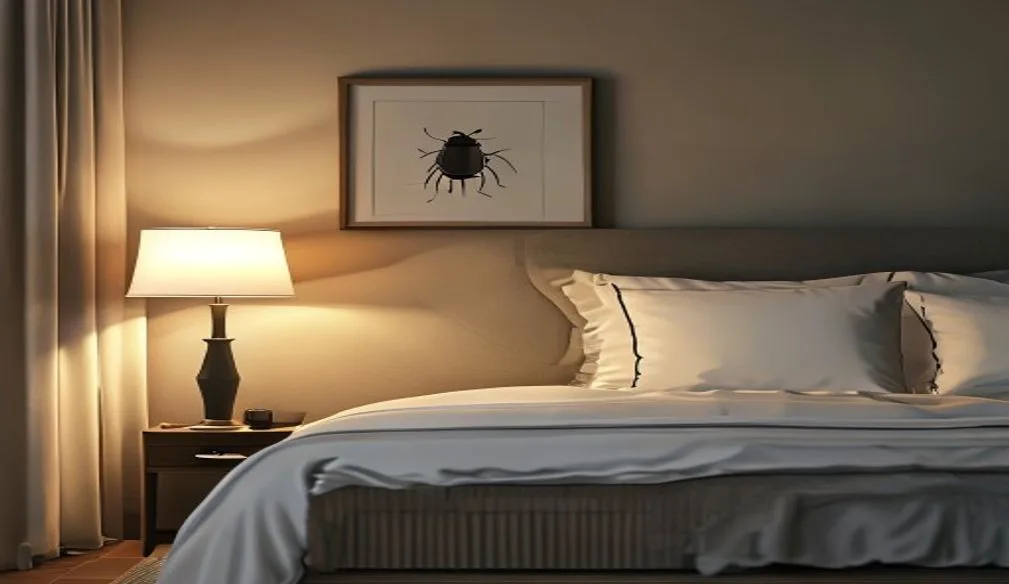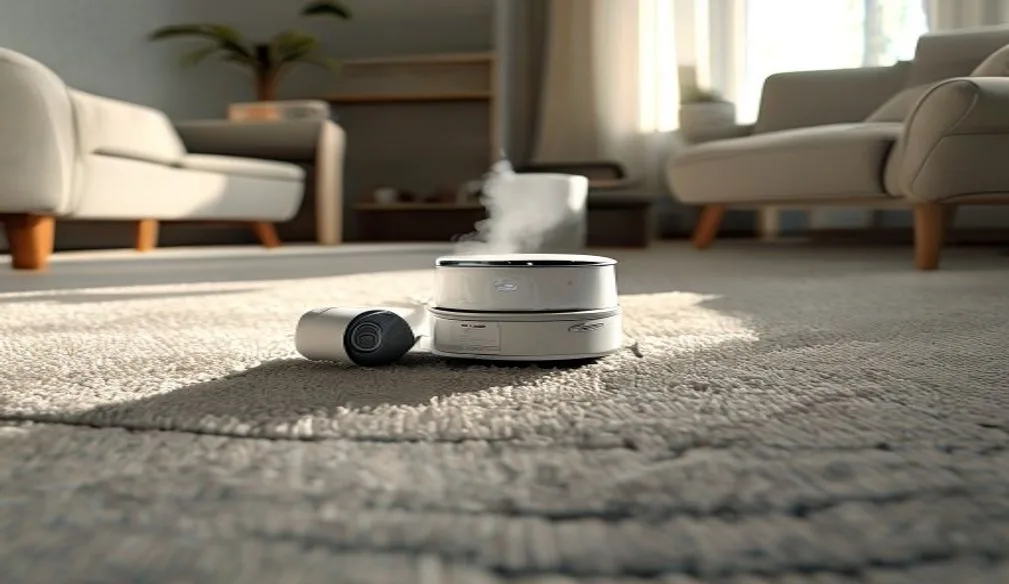
Steam cleaning kills bed bugs on contact when the surface temperature reaches 122°F and holds there for several seconds. A quality steam cleaner delivers 200–250°F vapor that penetrates mattress seams, tufts, and fabric layers where these insects hide. This method works without chemicals, leaves no residue, and can be done by homeowners who understand the equipment and technique.
Why Heat Works Against Bed Bugs
Bed bugs die because their proteins denature at relatively low temperatures. adult bed bugs succumb at 118°F; eggs need 122°F or sustained exposure. Steam offers three advantages over other non-chemical methods: instantaneous lethal heat transfer, deep penetration into folds and crevices, and no mechanical disturbance that drives bugs deeper into hiding.
In my field work, I often see homeowners underestimate how quickly steam temperature drops once it leaves the nozzle. The machine may read 240°F at the boiler, but by the time vapor travels six inches to the mattress surface, you have lost significant thermal energy. This is why nozzle distance and movement speed matter more than the maximum temperature printed on the box.
Moisture from steam serves a secondary purpose. It loosens dried fecal spots, shed skins, and egg adhesives, making post-treatment inspection easier. You will see what you missed rather than wondering.
Selecting Equipment That Actually Works
Not every steam cleaner handles mattress treatment. Handheld garment steamers fail because they produce wet, low-temperature vapor insufficient for killing eggs. You need a canister or cylinder unit designed for hard surfaces and upholstery.
What I tell clients to look for: dry steam capability (low moisture content), continuous operation for at least 20 minutes per tank, and a detail nozzle or small brush head for seams. Large floor mop heads spread steam too thin and cannot reach into tufts. Adjustable steam control helps on memory foam or latex mattresses where excessive moisture risks material damage.
A queen-size mattress requires 30–45 minutes of steady, methodical steaming. A unit with a 10-minute runtime forces you to stop, refill, and wait for reheat—breaking your rhythm and letting surfaces cool. Plan for capacity, not just temperature.
Preparing the Mattress Before Steam Contact
Preparation determines whether steam reaches the insects or merely warms the fabric. Strip all bedding and wash in hot water, then dry on high heat for 30 minutes. Washing alone does not reliably kill eggs; the cement-like adhesive that glues eggs to fabric withstands agitation. Dryer heat does the actual killing.
Move the mattress to a well-ventilated room with access to all sides. Pull the bed frame away from walls. Inspect seams, tufts, and the headboard area with a flashlight and stiff card. Look for live bugs, rust-colored fecal spots, shed skins, and pearl-white eggs pinhead-sized and glued to fabric. Do not treat only where you see signs—bed bugs scatter when disturbed, and visual inspection misses roughly half of harborages.
Vacuum thoroughly before steaming. Use a crevice tool on seams, piping, and folds. This removes loose debris and some insects, allowing steam contact to be direct rather than blocked by dust and hair. Empty the vacuum immediately into a sealed bag and dispose outside.
The Steaming Technique That Kills
Divide the mattress into quadrants and complete each before moving on. This prevents missed patches and maintains consistent technique. Work top surface first, then sides, then underside if accessible.
Hold the nozzle 0.5 to 1 inch from the fabric—never press it flat against the surface. Steam needs a small gap to escape and penetrate. Move at approximately 1 inch per second. Faster passes fail to transfer sufficient heat; slower passes risk over-wetting. Overlap each stroke by 50 percent to eliminate cold spots.
After each section, touch the fabric with your bare hand. It should feel hot, not merely warm. Warm means insufficient heat transfer; the bugs survive. I often see people rush this step, fearing they will damage the mattress. Controlled steam does not damage quality fabrics; insufficient heat leaves live insects.
Spend extra time on high-risk zones. Run the nozzle directly along seam lines where bugs wedge into folded edges. Circle each button and tuft from multiple angles—these pockets harbor eggs. Steam both sides of the fabric label, which provides a loose crevice. The head and foot ends, near where sleepers rest, typically show higher activity.
Treating the Complete Sleep System
The mattress alone rarely solves the problem. Bed bugs migrate to box springs, bed frames, and nearby furniture. After finishing the mattress, steam the entire box spring surface, especially corners and the underside if you can access it without tearing the fabric covering.
Steam all visible cracks in the bed frame: screw holes, dowel joints, and any decorative grooves. Wooden slats and metal frames both harbor insects. Extend treatment to nightstands, baseboards within five feet of the bed, and upholstered furniture that touches the wall or bedding. Curtains that pool on the floor need attention too.
In my field work, I have seen dozens of failed treatments where the mattress was steamed perfectly but the box spring remained untouched. The bugs simply relocated and returned within days.
Drying, Encasement, and Monitoring
Moisture from steam requires thorough drying before you rebuild the sleep environment. Surface drying takes 2–3 hours in dry climates; humid conditions may need 6–8 hours. Open windows, run fans, and use a dehumidifier if available. Never apply direct heat from hair dryers or space heaters—fire risk and fabric damage outweigh any time saved.
Once completely dry, install a bed bug proof encasement. Quality encasements feature zipper teeth tight enough to trap nymphs and fabric pores smaller than insect dimensions. The encasement serves two purposes: it traps any surviving bugs or eggs inside, preventing them from feeding and eventually killing them; and it blocks new infestations from reaching the mattress interior.
Leave encasements in place for at least 12 months. Bed bugs survive without feeding for many months, and eggs can hatch long after initial treatment. Install interceptor traps under each bed leg to monitor for continued activity. Inspect these weekly and check the mattress surface monthly.
Realistic Expectations and Professional Help
Steam cleaning works as one component of integrated pest management, not a guaranteed single solution. For active infestations, plan to steam weekly for three consecutive weeks. This timing catches eggs that hatch between treatments, before nymphs reach reproductive age.
What I tell clients: if you see live bugs, fresh fecal spots, or interceptors capture nymphs after two complete steam cycles across the entire sleep system, call a licensed pest control professional. They have access to whole-room heat treatment and other tools beyond homeowner equipment. Continuing to steam without success wastes time and allows the population to grow.
Memory foam and latex mattresses need extra caution. These materials break down under sustained heat and moisture. Use lower steam settings, keep the nozzle moving constantly, and test a hidden corner first. When in doubt, prioritize encasement over repeated steaming on sensitive materials.
Frequently Asked Questions
Can bed bugs live in a foam mattress?
Bed bugs do not burrow inside memory foam, but they readily hide on seams, zippers, labels, and the underside edges where the cover meets the frame.
Foam mattresses still need encasements and seam inspections like any other bed. Focus on tufts, piping, and nearby furniture—not the foam core itself.
Can bed bugs live on memory foam mattresses?
Yes—bed bugs can live on memory foam mattresses by sheltering in seams, folds, and bed frames. They are not inside the foam block but on surfaces you touch when changing sheets.
Check piping with a flashlight, install a bed-bug-proof encasement, and isolate the bed from walls while you monitor or schedule professional treatment if needed.
Can you see bed bugs with the naked eye on a mattress?
Yes. Adult bed bugs are about apple-seed size (4–5 mm), reddish-brown, and visible on light-colored mattress fabric when you part the seams with a flashlight.
Nymphs and eggs are harder to spot but still visible as tiny pale insects or white pinhead ovals. Slow, close inspection beats a quick glance—check seams, tags, and box spring corners.
How do you identify bed bugs on a mattress?
Strip bedding and run a flashlight along mattress seams, piping, tags, and the box spring corners. Adults are apple-seed sized; eggs are pinhead white ovals glued in clusters.
Look for rusty blood spots on sheets and dark fecal dots that smear when lightly wiped. Repeat on both sides of the mattress and the bed frame before deciding on encasements or professional help.