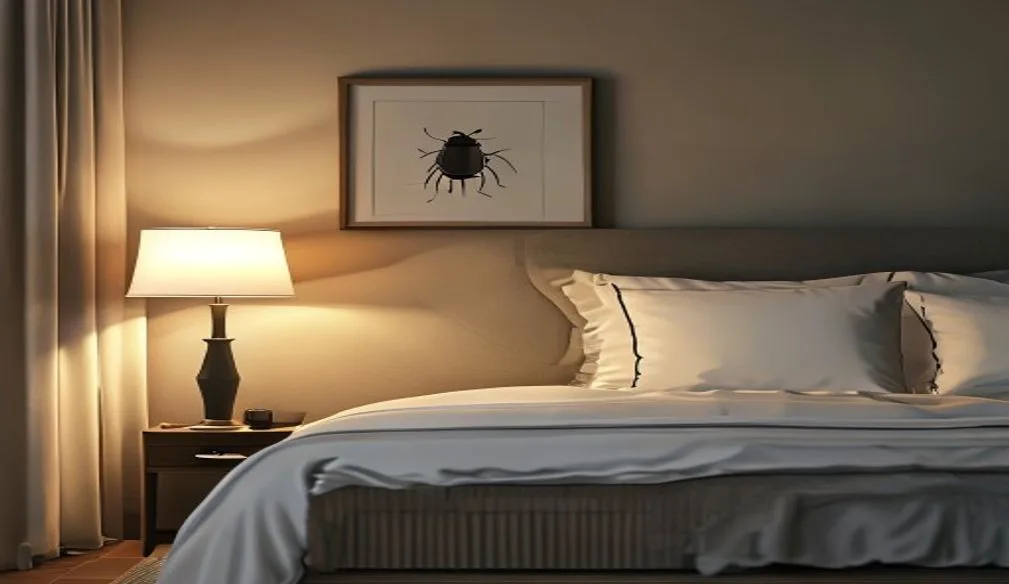
As a seasoned pest control specialist, I've seen firsthand the distress that bed bugs can cause for international travelers. To prevent bringing these unwanted pests back to your hotel or home, it's essential to take immediate action. Start by inspecting your luggage and clothing carefully, and washing and drying your clothes on high heat as soon as possible. Bed bugs can survive for several months without feeding, making them a challenging pest to eliminate, and it's crucial to be proactive in preventing infestations.
First 24 Hours: Immediate Steps to Prevent Bed Bug Infestation
When returning from a trip, it's crucial to act quickly to prevent bed bugs from establishing themselves in your hotel or home. Here's a step-by-step checklist for the first 24 hours:
- Inspect your luggage, clothing, and personal items for any signs of bed bugs, such as small, red-brown spots or blood stains. Pay particular attention to seams, folds, and crevices where bed bugs like to hide.
- Wash and dry all clothing, towels, and fabrics on high heat (at least 120°F) for at least 45-60 minutes to kill any bed bugs or eggs that may be present. It's essential to use a dryer on high heat to ensure that any eggs or embryos are killed, as washing clothes in cold water may not be enough to dislodge cemented eggs.
- Dry clean or seal in plastic bags any non-washable items, such as shoes or stuffed animals, for at least 6 months to ensure any bed bugs or eggs are killed. This is especially important for items that can't be washed or dried, as bed bugs can survive for extended periods without feeding.
- Inspect your hotel room or home for any signs of bed bugs, including small, red-brown spots or blood stains on sheets, mattresses, or walls. Check for live bed bugs in various stages of development, including eggs, nymphs, and adult bed bugs.
- Notify hotel staff or a pest control professional immediately if you suspect a bed bug infestation. Don't hesitate to seek help if you notice any signs of bed bugs, as early detection is crucial in preventing the spread of the infestation.
Understanding Bed Bug Biology and Behavior
Bed bugs are small, flat insects that feed on human blood. They are attracted to warmth, carbon dioxide, and the scent of human skin. adult bed bugs are approximately 4-5 millimeters long, while eggs are about 1 millimeter long and pearl-white. Bed bugs can survive for several months without feeding, making them a challenging pest to eliminate. In my field work, I often see homeowners and travelers underestimate the severity of bed bug infestations, which can lead to prolonged and costly treatment processes.
It's essential to understand that bed bugs are not a sign of poor hygiene or poor housekeeping. Anyone can get bed bugs, regardless of their income, social status, or cleanliness. Bed bugs are often introduced into a home or hotel through human travel, used furniture, or nearby infestations. Once inside, they can quickly spread to other areas, making it crucial to take proactive steps to prevent infestations.
Bed Bug Life Cycle and Development
Bed bugs undergo a process called incomplete metamorphosis, which consists of three stages: egg, nymph, and adult. The female bed bug lays approximately 1-5 eggs per day, which hatch into nymphs after 6-10 days. Nymphs go through five stages of development, shedding their skin after each stage, before reaching adulthood. adult bed bugs can live for several months, feeding on human blood and reproducing to perpetuate the infestation. Understanding the bed bug life cycle is essential in developing effective treatment plans and preventing re-infestations.
Identifying Bed Bug Signs and Symptoms
Early detection is crucial in preventing bed bug infestations. Look for the following signs and symptoms:
- Small, red-brown spots or blood stains on sheets, mattresses, or walls. These spots can be a sign of bed bug feces or bloodstains, and can indicate the presence of a bed bug infestation.
- Live bed bugs in various stages of development, including eggs, nymphs, and adult bed bugs. Check for bed bugs in areas such as mattresses, box springs, and headboards, as well as in cracks and crevices around the room.
- A sweet, musty odor often compared to overripe fruit or coriander. This odor can be a sign of a large bed bug infestation, and can be especially noticeable in areas with high humidity or poor ventilation.
- Itchy, red bites or welts on the skin, often in a line or cluster. bed bug bites can be painful and uncomfortable, and can cause significant distress for those affected.
When to Call a Licensed Professional
While it's possible to take steps to prevent bed bug infestations, it's essential to call a licensed pest control professional if you suspect an infestation. They can assess the situation, provide a thorough inspection, and recommend a treatment plan to eliminate the bed bugs. Don't hesitate to seek professional help if you notice any of the following:
- Live bed bugs or eggs in your hotel room or home. If you see bed bugs or eggs, it's essential to act quickly to prevent the infestation from spreading.
- Significant blood stains or fecal spots on sheets, mattresses, or walls. These can be a sign of a large bed bug infestation, and can indicate the need for professional treatment.
- A large number of itchy, red bites or welts on the skin. If you or a family member is experiencing significant discomfort or distress due to bed bug bites, it's essential to seek professional help.
- A strong, musty odor that persists despite cleaning and laundry efforts. If you notice a persistent odor that can't be eliminated through cleaning and laundry, it may be a sign of a bed bug infestation.
Frequently Asked Questions
Here are some common questions and concerns about bed bug prevention and treatment:
- Q: Can I use a steam cleaner to kill bed bugs? A: While steam cleaning can help kill bed bugs, it's essential to use a steam cleaner with a temperature of at least 120°F and to follow the manufacturer's instructions carefully. Steam cleaning can be an effective way to kill bed bugs, but it's not a substitute for professional treatment.
- Q: How long does it take to get rid of a bed bug infestation? A: The time it takes to eliminate a bed bug infestation depends on the severity of the infestation and the effectiveness of the treatment plan. It can take several weeks or even months to fully eliminate bed bugs, and it's essential to be patient and persistent in the treatment process.
- Q: How can I prevent bringing bed bugs back to my hotel or home? A: To prevent bringing bed bugs back to your hotel or home, inspect your luggage and clothing carefully, wash and dry your clothes on high heat as soon as possible, and dry clean or seal in plastic bags any non-washable items. It's also essential to check your hotel room or home regularly for signs of bed bugs, and to take proactive steps to prevent infestations.
- Q: What are the most common places to find bed bugs? A: Bed bugs can be found in various places, including hotels, homes, apartments, and public transportation. They are often found in areas with high human traffic, such as beds, couches, and chairs. It's essential to be aware of the risks of bed bug infestations, and to take steps to prevent them in all areas of your life.
- Q: Can I use DIY methods to get rid of bed bugs? A: While DIY methods can be helpful in preventing bed bug infestations, they are often not enough to fully eliminate an infestation. It's essential to seek professional help if you suspect a bed bug infestation, as licensed pest control professionals have the training and equipment necessary to effectively eliminate bed bugs.
| Method | Efficacy | Cost |
|---|---|---|
| Washing and drying clothes on high heat | High | Low |
| Dry cleaning or sealing non-washable items | High | Medium |
| Calling a licensed pest control professional | High | High |
| Using over-the-counter pesticides or insecticides | Low | Low-Medium |
In addition to these methods, it's essential to take proactive steps to prevent bed bug infestations, such as regularly inspecting your hotel room or home for signs of bed bugs, and taking steps to eliminate any infestations quickly and effectively. By being aware of the risks of bed bug infestations, and taking steps to prevent them, you can help protect yourself and your loved ones from the distress and discomfort of bed bug infestations.
It's also essential to note that bed bug infestations can have significant emotional and psychological impacts, particularly for those who experience severe infestations or repeated infestations. If you or a loved one is experiencing distress or discomfort due to bed bugs, it's essential to seek support and guidance from a licensed pest control professional or a mental health professional. With the right treatment and support, it's possible to eliminate bed bug infestations and restore peace of mind and comfort to your home or hotel room.
Frequently Asked Questions
What are practical DIY bed bug prevention steps?
Simple, low-risk habits can reduce the chance of bed bugs entering your home or spreading.
Practical prevention tips
- Inspect secondhand furniture thoroughly or before bringing it indoors.
- Use protective encasements on mattresses and box springs and seal cracks near baseboards.
- Reduce clutter where bed bugs can hide, and vacuum regularly with a sealed bag.
- Be cautious when traveling; inspect hotel rooms and keep luggage off floors and beds.
These are prevention strategies, not treatments; consult a professional if you suspect an infestation.
What are signs of bed bugs in luggage after travel?
After travel, check luggage and nearby areas for bed bug signs such as tiny brown spots (fecal marks), pale shed skins, small eggs or eggshells, and live or flattened bugs. Early detection can help prevent establishing an infestation in your home.
How can I reduce the chance of bringing bed bugs home from travel?
Travel smart habits can lower the risk of picking up bed bugs and spreading them to your home.
- Inspect hotel rooms for live bugs, shed skins, or dark spots on mattresses and furniture.
- Keep luggage on a luggage rack away from beds and walls; consider using a hard-shell case.
- Wash and dry travel clothes on high heat as soon as possible after returning home.
- Store luggage in a sealed area for several weeks if you suspect exposure.
Early detection and careful storage help with prevention and make follow-up easier if needed.
Can bed bugs travel on my luggage after a trip?
Yes, bed bugs can hide in luggage, bags, and personal items after visiting a hotel or public space. This is a common way they move between locations.
- Inspect seams, pockets, and corners of your luggage.
- Keep bags on luggage racks or hard surfaces.
- Wash and dry travel clothes on high heat when you return home.
These steps help lower the chance of bed bugs spreading into your home.