Memory foam mattresses present a unique challenge for bed bug detection. Their dense structure lacks the traditional seams and tufting of innerspring models, yet the material still harbors hiding spots along edges, beneath covers, and in foundation gaps. Knowing precisely where and how to inspect separates a false alarm from confirmed infestation.
Why Memory Foam Differs from Traditional Mattresses
Classic innerspring mattresses offer bed bugs countless harborage points—button tufts, quilted channels, and the hollow box spring cavity below. Memory foam mattresses eliminate many of these, but they introduce others. The zippered cover that encases the foam core creates a seam line running the entire perimeter. That zipper track, often recessed into the foam edge, collects debris and provides narrow shelter. The cover itself, particularly if quilted or padded, offers fabric folds where eggs adhere.
In my field work, I have watched technicians miss active infestations because they treated memory foam like a solid block. The foam is dense—bed bugs cannot tunnel into it—but they exploit every interface where fabric meets foam, where the cover gaps at corners, and where the mattress rests on its foundation. What I tell clients repeatedly: inspect the architecture, not just the surface.
The foundation matters equally. Platform beds with solid slats leave fewer gaps than metal frames with open corners. Adjustable bases with mechanical components beneath create hollow spaces. Memory foam mattresses often sit lower to the ground, bringing the sleeping surface closer to floor-level harborage. These environmental factors shape where you concentrate your examination.
Physical Signs That Confirm Presence
Bed bugs leave evidence even when the insects themselves hide. On memory foam, five indicators demand attention:
| Appearance | Typical Location on Memory Foam | |
|---|---|---|
| Live adult bed bugs | Flat, oval, 5–7 mm, reddish-brown | Zipper track, cover seams, foundation gaps |
| Nymphs | Smaller, translucent to light brown | Same as adult bed bugs, often clustered |
| Eggs | White, rice-grain shaped, 1 mm | Glued to fabric fibers at seams |
| Fecal spots | Dark brown to black, dot-like | Cover surface near head area, foundation |
| Shed skins | Translucent, empty exoskeletons | Concentrated where feeding occurs |
blood stains on sheets may appear, but these prove less diagnostic on memory foam because the foam itself rarely shows the characteristic rusty smears found on mattress tags and white piping of traditional beds. Instead, examine the underside of the cover if accessible—some manufacturers use removable, washable covers that allow limited inspection of the foam core beneath.
Step-by-Step Inspection Protocol
Begin with daylight and a flashlight. Strip the bed completely. Remove all bedding and examine it separately—linens, mattress protector, pillows, and encasements if present. Set these aside in a sealed container or bag to prevent dispersal.
Stand the mattress vertically against a wall. This reveals the entire perimeter seam and zipper track. Run your flashlight beam slowly along the zipper teeth, watching for movement or dark spots. Use a thin card or old credit card to slide into the zipper recess—bed bugs flatten to paper-thin dimensions and wedge into gaps barely visible.
Rotate the mattress to examine each corner. Memory foam corners often bear compression marks where the cover fabric bunches. These folds harbor eggs and nymphs. Press the fabric gently against the foam beneath—any irregularity that moves independently warrants closer examination.
Inspect the foundation or platform with equal thoroughness. Remove the mattress entirely. Check slats, especially where wood meets frame. Metal frames deserve scrutiny at welded joints and screw holes. I often see infestations concentrated at the head of the bed, where carbon dioxide concentration draws feeding insects. If your memory foam rests on an adjustable base, examine the mechanical housing beneath—technicians frequently discover reservoirs in these overlooked cavities.
Distinguishing Bed Bugs from Foam Artifacts
Memory foam manufacturing leaves marks that trigger false alarms. The pouring process creates surface irregularities—small pits, discoloration patches, and texture variation. Foam cells occasionally break down, leaving granular debris that resembles shed skins. Manufacturing oils can yellow the foam, mimicking staining patterns.
What distinguishes true signs: movement, clustering, and progression. Live bed bugs scatter when disturbed. Eggs appear in consistent orientation, cemented to fibers, never randomly scattered. Fecal spots smudge when touched with a damp cloth—foam discoloration remains unchanged. If uncertain, capture specimens on clear tape for professional identification rather than assuming.
In my experience, the most common misidentification involves carpet beetle larvae—hairy, segmented, and slow-moving—found in bedrooms with natural fiber rugs. These do not bite but alarm residents sufficiently. Spider beetles, booklice, and even lint accumulation also generate false reports. Accurate identification prevents unnecessary treatment expense and psychological distress.
When Professional Confirmation Becomes Essential
Self-inspection serves initial screening, but certain scenarios demand expert assessment. Multiple units in apartment buildings, travel history with confirmed exposure, or bite patterns continuing despite cleaning efforts all indicate professional evaluation. Pest management professionals employ canine detection, passive monitors, and thermal imaging unavailable to homeowners.
I advise against disturbing suspected areas excessively before confirmation. Aggressive vacuuming or chemical application can scatter insects, complicating treatment. Document findings photographically—location, density, and distribution inform treatment scope. Most reputable professionals offer inspection services separately from treatment contracts, allowing informed decision-making.
Memory foam mattresses respond poorly to some traditional treatment methods. Heat remediation requires sustained temperatures penetrating the foam core. Encasements must fit precisely—loose covers create new harborage. These material-specific considerations make professional guidance particularly valuable for memory foam owners facing confirmed infestation.
Prevention After Negative Inspection
Clear inspection results warrant protective measures. Install mattress encasements rated for bed bug containment—zippered, fabric-backed, with secure seams. These trap any undetected insects inside while preventing new colonization. Choose encasements specifically designed for memory foam thickness; standard depths suit thinner profiles poorly.
Reduce bedroom clutter eliminating floor-level hiding spots. Elevate the bed frame if possible, creating inspection access beneath. Passive monitors placed under bed legs intercept traveling insects before they reach the sleeping surface. Regular laundering of bedding at high temperatures maintains hostile conditions for any introduced bugs.
Travel protocols deserve particular attention for memory foam owners. Bed bugs transfer via luggage, clothing, and personal items. Inspect hotel mattresses—regardless of foam type—using the same perimeter-focused method. Upon return, isolate luggage and examine before storing near the bedroom. These habits, maintained consistently, protect the significant investment memory foam represents.
Reader Questions Addressed
Can bed bugs live inside the foam itself? No. The dense viscoelastic structure prevents tunneling. All activity occurs at surfaces, seams, and the surrounding environment. This limitation actually simplifies detection once you understand where to concentrate examination.
Does the memory foam smell attract or repel them? Neither. Off-gassing from new foam has no demonstrated effect on bed bug behavior. Carbon dioxide, warmth, and harborage availability drive infestation patterns exclusively.
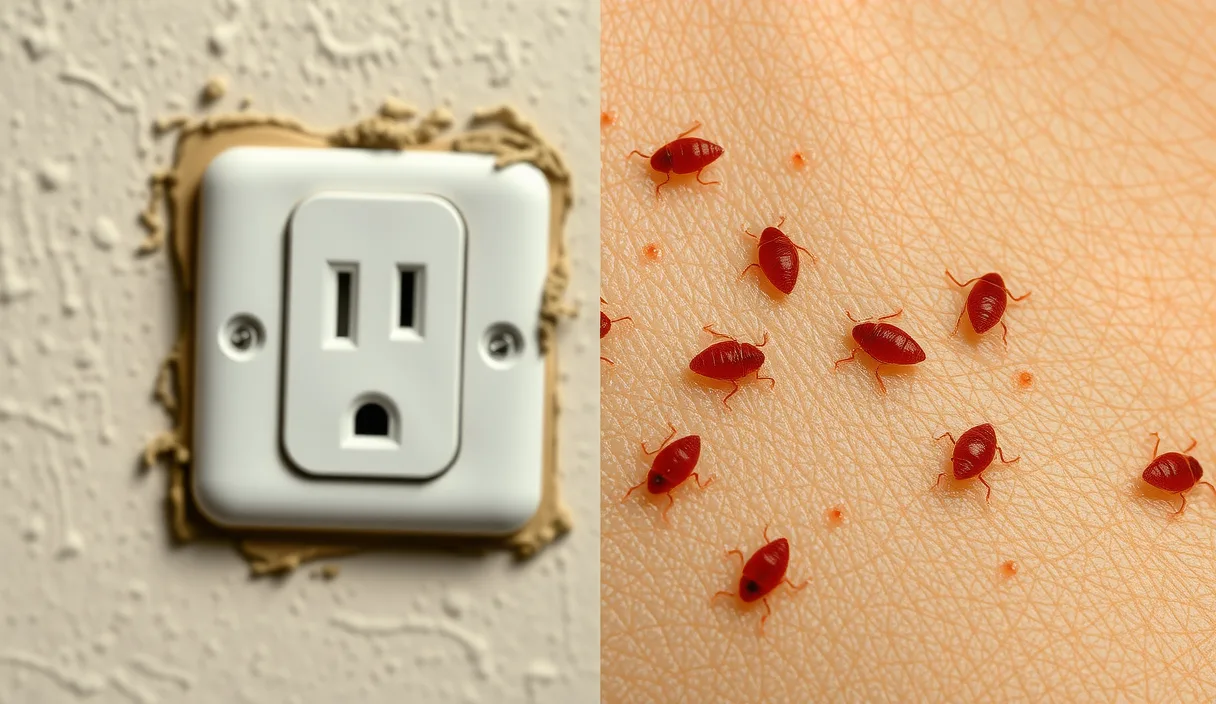
Should I replace my memory foam mattress if I find bed bugs? Replacement rarely solves infestation alone. Bed bugs occupy the broader bedroom environment—frame, headboard, baseboards, electrical outlets. Treatment addressing the complete habitat protects any replacement mattress from immediate reinfestation. Encasement and professional treatment typically preserve salvageable foam mattresses.
Frequently Asked Questions
Can bed bugs live on memory foam mattresses?
Yes—bed bugs can live on memory foam mattresses by sheltering in seams, folds, and bed frames. They are not inside the foam block but on surfaces you touch when changing sheets.
Check piping with a flashlight, install a bed-bug-proof encasement, and isolate the bed from walls while you monitor or schedule professional treatment if needed.
Can bed bugs live in a foam mattress?
Bed bugs do not burrow inside memory foam, but they readily hide on seams, zippers, labels, and the underside edges where the cover meets the frame.
Foam mattresses still need encasements and seam inspections like any other bed. Focus on tufts, piping, and nearby furniture—not the foam core itself.
How do you identify bed bugs on a mattress?
Strip bedding and run a flashlight along mattress seams, piping, tags, and the box spring corners. Adults are apple-seed sized; eggs are pinhead white ovals glued in clusters.
Look for rusty blood spots on sheets and dark fecal dots that smear when lightly wiped. Repeat on both sides of the mattress and the bed frame before deciding on encasements or professional help.
Can you see bed bugs with the naked eye on a mattress?
Yes. Adult bed bugs are about apple-seed size (4–5 mm), reddish-brown, and visible on light-colored mattress fabric when you part the seams with a flashlight.
Nymphs and eggs are harder to spot but still visible as tiny pale insects or white pinhead ovals. Slow, close inspection beats a quick glance—check seams, tags, and box spring corners.