If you need to get rid of bed bugs today, start with containment—not panic. Bed bugs spread on clothing, luggage, and clutter. Your first 24 hours should focus on confirming the pest, limiting movement between rooms, and preparing for heat, laundry, or professional treatment.
Same-day checklist: what to do in the first 24 hours
- Verify the pest — compare live insects, shed skins, and fecal spots with our identification guide.
- Do not rotate mattresses or sleep in other rooms without isolating the bed (bugs often follow).
- Bag and seal bedding and worn clothing; label bags clearly.
- Vacuum seams, baseboards, and furniture cracks; discard vacuum contents in a sealed bag outdoors.
- Schedule laundry on the hottest dryer cycle that fabric labels allow.
- Call a licensed pro if bites continue, you find multiple life stages, or you live in multi-unit housing.
Where bed bugs hide (inspect these zones first)
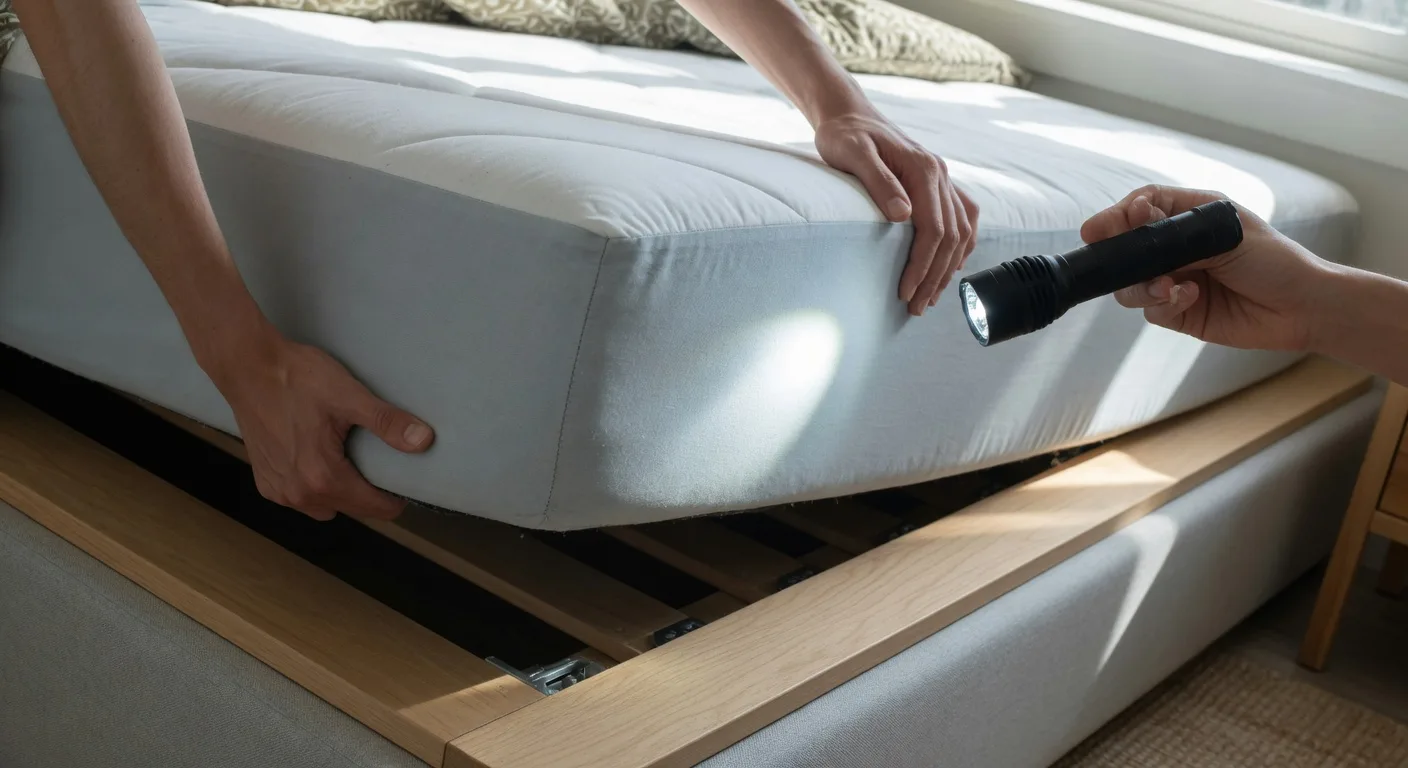
Bed bugs stay within a few feet of where people rest. Check mattress piping, box spring corners, headboard joints, nightstands, picture frames, and carpet edges. Use a flashlight and credit card to scrape seams. One adult bug or several black fecal spots in one cluster usually confirms activity.
Heat, steam, and laundry: what works today
Heat above roughly 120°F (49°C) kills bed bugs and eggs when exposure is long enough. Practical same-day options:
- Dryer — run dry fabrics 30+ minutes on high heat after washing.
- Steam — slow passes on mattress seams and upholstered furniture (avoid excess moisture on wood).
- Portable heaters — whole-room heat treatment is usually a professional service; DIY space heaters are unsafe for enclosed treatment.
For mattress-focused steps without harsh chemicals, see our guide on getting rid of bed bugs in a mattress without chemicals.
DIY vs professional treatment
| Situation | DIY may be enough | Call a pro |
|---|---|---|
| 1–2 bugs after travel, caught early | Often yes, with laundry + encasement + monitoring | If bites return within 2 weeks |
| Multiple rooms or recurring bites | Rarely | Yes — integrated plan |
| Apartment / condo | Notify landlord; DIY alone rarely sufficient | Yes, often building-wide coordination |
| Heat-sensitive clutter (electronics, antiques) | Targeted steam + isolation | Pro heat chambers or fumigation options |
Encasements and monitoring after day one
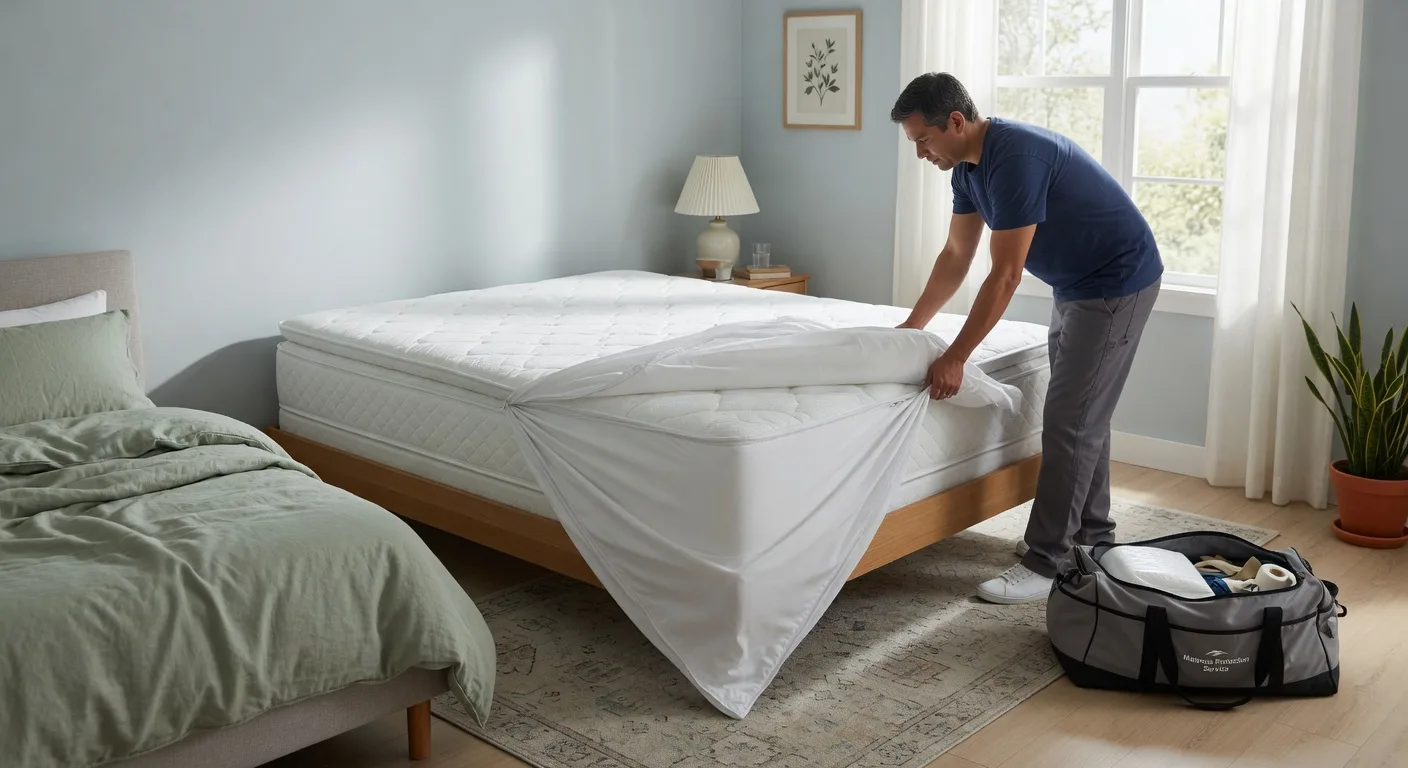
Install bed-bug-proof encasements on mattress and box spring after cleaning. Leave encasements on at least 12–18 months. Add interceptors under bed legs and check them weekly. No new insects after 6–8 weeks of monitoring is a strong sign treatment worked—especially after professional service.
Prevention once activity drops
Reduce reinfestation risk: inspect hotel rooms when traveling, keep luggage off beds, store bags away from sleeping areas at home, and seal cracks in baseboards when practical. More long-term habits are in our bed bug prevention guide.
Frequently asked questions
Can I get rid of bed bugs in one day?
You can complete critical first-day steps (isolation, laundry, vacuuming, encasements), but full elimination usually takes days to weeks depending on infestation size and method. Expect follow-up monitoring.
Do bed bugs spread if I sleep on the couch?
Yes. Moving sleeping locations often spreads bugs to new harborage sites. Isolate the original bed instead.
Are store sprays enough?
Contact sprays alone rarely reach hidden eggs and cracks. Integrated plans combine cleaning, heat, encasements, and—when needed—professional pesticides applied per label and local regulations.
When is heat treatment the best option?
Heat works well for heavy clutter-free rooms and sensitive chemical environments. Providers heat the entire space to lethal temperatures with specialized equipment. See our heat treatment articles for preparation tips.
What should landlords and tenants do in apartments?
Notify the property manager immediately. Many states require landlords to address bed bugs once reported. Avoid moving furniture to common areas. Document bites, photos, and dates. DIY-only treatment in one unit often fails when neighboring units are infested.
Can freezing kill bed bugs?
Freezing can work for small items placed in a freezer at 0°F (-18°C) for at least four days, but home freezers may not stay cold enough for large objects. Heat and professional options are more reliable for furniture-scale items.
How long until I know treatment worked?
Monitor interceptors and bites for 6–8 weeks. A single surviving egg can restart an infestation, which is why follow-up passes and encasements matter as much as the first treatment day.
Next step: If you confirmed bed bugs, pick one primary treatment path today (laundry + steam + encasement OR professional inspection) and stick with it for at least two weeks while monitoring. Mixed, half-finished attempts are the most common reason infestations return.
Frequently Asked Questions
How can I reduce bed bug bites while I sleep?
Reducing bites during sleep focuses on limiting contact and creating barriers, not on eliminating the population.
- Use a certified bed bug-proof mattress and box spring encasements.
- Move your bed away from walls and remove clutter near the bed.
- Wear long sleepwear and use extra layers to limit exposed skin.
These methods may lessen bites but should complement, not replace, professional treatment.
How do I identify bed bug bites vs other insect bites?
Bed bug bites often appear in a line or cluster, are intensely itchy, and may take a few days to show. Unlike flea bites, which are mainly around the ankles, bed bugs can occur on any exposed skin.
Common signs include small red bumps, possible swelling, and a central puncture mark. If you suspect bed bugs, capture a specimen or photograph bites and contact a pest professional for confirmation.
How can landlords prevent and manage bed bug infestations?
Landlords can reduce risks with clear lease clauses, routine inspections in high-turnover units, and prompt response to reports. Use integrated pest management and choose licensed professionals for inspections and treatments.
Document conditions before and after tenancy, communicate prevention steps to tenants, and coordinate with neighbors in multi-unit buildings to limit spread.
How do I prepare for a professional bed bug treatment?
Follow these steps to help a pest professional be effective and safe.
- Wash and dry infested clothing and linens on the hottest settings allowed.
- Declutter floors and surfaces to reduce hiding spots.
- Seal items you cannot treat in labeled plastic bags until they can be inspected or treated.
Discuss any health concerns or special needs with your pest control provider before treatment.
How long do bed bugs live without a blood meal?
Bed bugs can survive several months without feeding, though many live closer to 5–6 weeks under typical home conditions. Factors like temperature, humidity, and life stage influence their survival time.