Heat treatment and chemical approaches each carry trade-offs that matter more than marketing claims suggest. After two decades of inspecting infestations and advising property managers, I've learned the real decision hinges on your building's construction, your timeline, and whether anyone in the home has respiratory sensitivities. This article breaks down how each method actually performs, what the preparation looks like, and where each approach falls short.
How Thermal Remediation Actually Works
Professional heat treatment raises ambient air temperature to roughly 120–135°F and holds it for several hours. The goal isn't merely hot air—it's ensuring that heat penetrates mattresses, wall voids, and furniture interiors long enough to denature proteins and kill all life stages. I tell clients to think of it as baking the structure, not just warming it.
What separates effective jobs from failures is airflow management. Technicians use industrial fans to eliminate cold spots where bed bugs retreat. In my field work, I've seen treatments fail when heavy bookcases or layered bedding blocked convection currents. The best operators move contents strategically during the process, sometimes rotating furniture mid-cycle.
Preparation demands significant effort. Residents must remove heat-sensitive items: candles, aerosol cans, vinyl records, certain medications, and pressurized containers. Electronics typically survive but require verification with your provider. I've watched families underestimate this step, only to have treatment delayed when the crew discovers a forgotten chocolate stash or lithium battery pack.
The advantage is elimination in one day. No follow-up visits for reapplications. No chemical residues. For multi-unit buildings, this matters enormously—bed bugs don't migrate between treated and untreated units during a prolonged campaign.
The Reality of Chemical Protocols
Chemical treatments rely on residual insecticides applied to harborage areas, plus direct contact sprays for visible insects. Modern integrated pest management (IPM) programs combine these with non-chemical tactics rather than depending solely on chemistry.
What homeowners miss most is the timeline. Chemical programs require multiple visits spaced 10–14 days apart to catch newly hatched nymphs that escaped initial applications. Eggs survive most residuals, so timing must align with hatch cycles. I've inspected apartments where residents assumed one treatment solved the problem, only to discover resurgence six weeks later.
Resistance complicates selection. Bed bug populations in many metropolitan areas have developed reduced susceptibility to common active ingredients. Professional pest control operators rotate chemistries and may use combination products, but this requires diagnostic skill most DIY attempts lack.
Preparation differs from heat treatment. You'll launder and bag items, but you won't evacuate heat-sensitive possessions. However, you must stay out of treated areas during re-entry intervals specified on product labels—typically until surfaces dry completely.
Direct Comparison: What the Data Shows
| Thermal Remediation | Chemical/IPM Program | |
|---|---|---|
| Single-session elimination | Yes, when properly executed | Rarely; typically 2–4 visits |
| Preparation burden | High (remove heat-sensitive items) | Moderate (launder, declutter) |
| Re-entry timeline | Same day | Hours to days per label |
| Penetration depth | Excellent in open cavities | Limited to contact/residual zones |
| Building constraints | Requires sealed space, adequate power | Works in most structures |
| Cost structure | Higher upfront, no follow-up fees | Lower initial, cumulative with visits |
| Resistance concerns | None (physical kill mechanism) | Documented in many regions |
Where Heat Treatment Struggles
Thermal remediation isn't universal. Buildings with poor insulation, extensive concrete thermal mass, or inadequate electrical service may not reach lethal temperatures uniformly. I've seen historic brownstones with 18-inch masonry walls require supplemental measures because heat dissipated faster than equipment could replace it.
Attached housing presents diplomatic challenges. Row houses and townhomes need coordination with neighbors. Bed bugs migrate through shared walls; treating one unit while adjacent units harbor reservoirs guarantees reinfestation. Some heat providers refuse these jobs without whole-structure contracts.
Contents matter. Packed closets with dense textiles act as insulation. I always advise clients to spread clothing loosely or remove it entirely—contrary to the instinct to hide everything from the treatment.
Where Chemical Approaches Fall Short
Harborages in electronics, wall switches, and deep furniture crevices often escape chemical contact. Bed bugs detect and avoid treated surfaces when possible, squeezing into untreated microhabitats. I've found live insects inside clock radios and behind outlet covers months after "completed" chemical programs.
Occupant health considerations are real. While professional applications follow labeled safety margins, individuals with asthma, chemical sensitivities, or compromised immune systems may experience symptoms. This isn't a flaw in the products—it's a constraint on suitability.
Hybrid Strategies and Emerging Methods
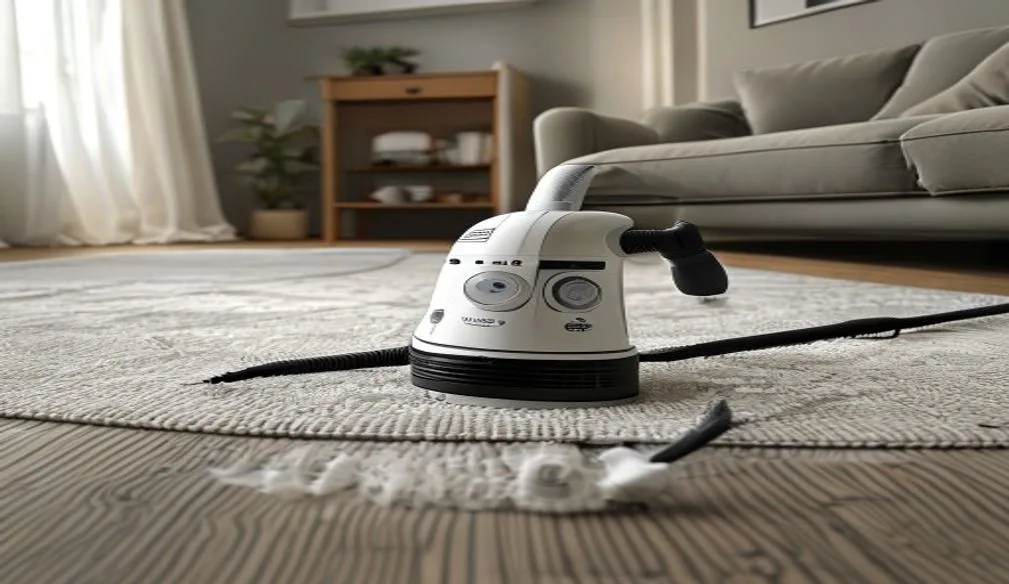
The most effective programs I've observed combine modalities. Heat treatment for primary elimination, followed by targeted residual applications in high-risk zones like entry points and neighboring units. Steam for immediate knockdown in sensitive areas like cribs or medical equipment. Vacuuming with HEPA filtration to remove debris that complicates monitoring.
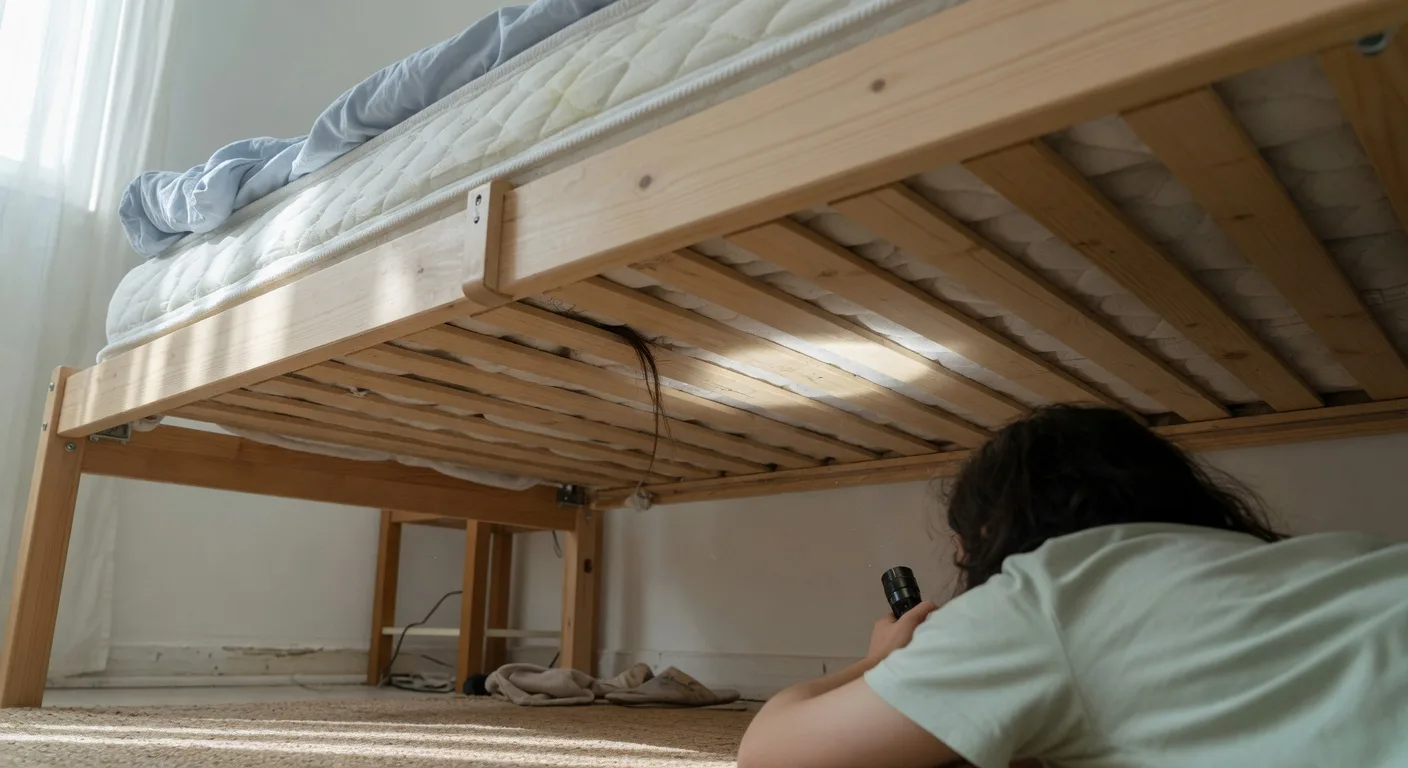
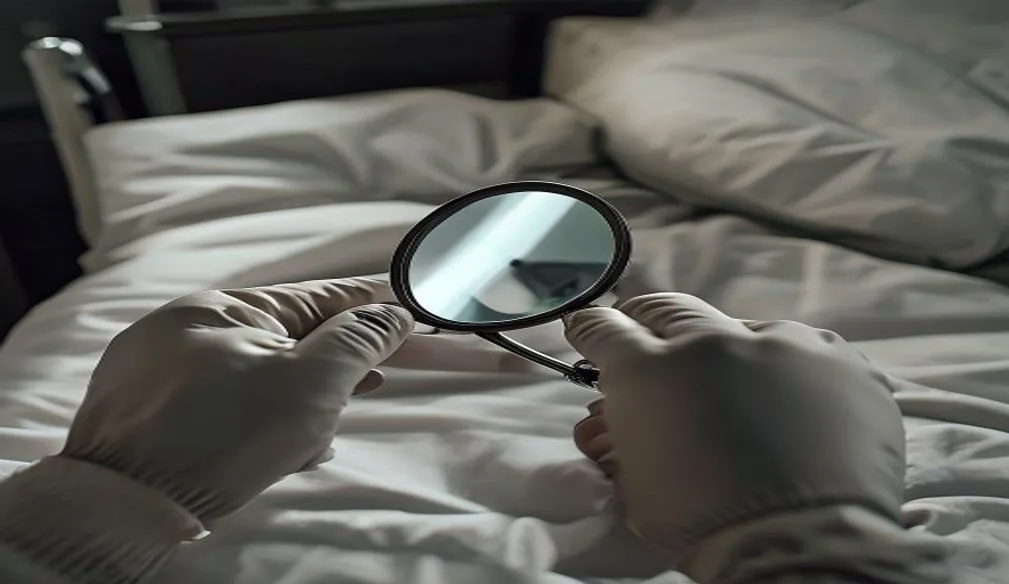
What I tell clients: the method matters less than the operator's thoroughness. A meticulous chemical technician outperforms a rushed heat crew. Verify that your provider inspects with magnification, uses monitoring devices to confirm elimination, and provides written documentation for landlords or warranty purposes.
Apartment dwellers face additional complexity. Your lease may specify who selects and pays for treatment. Some jurisdictions require landlord disclosure of previous infestations in the unit. Document everything—photos, dates, professional reports—to protect your security deposit and health.
Practical Decision Framework
Choose thermal remediation if you need rapid resolution, have a single-family home or isolated unit, can complete preparation thoroughly, and face time pressure (imminent move, medical vulnerability, or severe psychological distress from infestation).
Choose professional chemical/IPM if your building can't sustain heat treatment, you cannot remove heat-sensitive valuables, or your infestation is localized and early-stage. Budget for the full program, not just the first visit.
In either case, post-treatment monitoring is non-negotiable. Install interceptors under bed legs. Inspect weekly for 60 days. The absence of bites doesn't prove elimination—some individuals don't react to bites, and hungry nymphs feed briefly. Only sustained absence of live insects and new fecal spotting confirms success.
If you're evaluating quotes, ask specific questions: How do you verify lethal temperatures in all zones? What is your callback rate within 30 days? Do you treat adjacent units prophylactically? The answers reveal more than price comparisons ever could.
Frequently Asked Questions
What should I do before a professional heat treatment?
Preparation is key to effective heat treatment. Remove or securely bag items that could be damaged by heat, and follow all instructions provided by your pest control company.
Typical steps include decluttering, washing and drying fabrics on high heat, and keeping treated areas accessible. Do not apply DIY pesticides before heat treatment, as they can be dangerous and reduce effectiveness.
How long does professional heat treatment take?
Professional heat treatments for bed bugs usually require several hours to raise room temperatures to levels that affect all life stages. You should plan for limited access during the service and follow any pre- and post-treatment guidance provided by the pest management professional.
How do I prepare for a professional bed bug treatment?
Follow these steps to help a pest professional be effective and safe.
- Wash and dry infested clothing and linens on the hottest settings allowed.
- Declutter floors and surfaces to reduce hiding spots.
- Seal items you cannot treat in labeled plastic bags until they can be inspected or treated.
Discuss any health concerns or special needs with your pest control provider before treatment.
How can I safely reduce bed bugs at home without chemicals?
Use non-chemical methods as part of an integrated approach and consult a licensed pest professional for assessment.
- Heat: Wash and dry infested items on the highest heat settings recommended for the fabrics.
- Vacuuming: Carefully vacuum cracks and crevices, then dispose of the bag or canister contents in a sealed outdoor bin.
- Barrier methods: Use mattress and box spring encasements labeled for bed bugs to reduce harborage and make detection easier.
These steps can help manage bed bugs, but they are generally most effective when combined with professional guidance.