
How to Identify Bed Bugs on a Memory Foam Mattress
How to Identify Bed Bugs on a Memory Foam Mattress — U.S. bed bug guide for homeowners and travelers.
Category
Learn how to identify bed bugs at every stage — adults, eggs, shed skins, fecal stains on walls, and early warning signs. Start with our visual guide, then jump to wall, mattress, or bite-specific checklists.
11 articles in this category
These articles answer different identification questions. Start with the visual guide, then open the guide that matches what you are seeing (walls, mattress, eggs, or bites).
Bed bug feces on walls: what droppings look like (photos), smear test, vs mold & dirt. US home inspection checklist f…
What does bed bug waste look like on walls? Dark fecal spots, size, smear test & photos vs dirt. US identification gu…
Early warning signs of bed bugs: bites, blood spots, fecal stains on walls, shed skins & odor. Bedroom & hotel checkl…
Bed bug feces smear test on walls: how to do it, positive vs negative results & photos. US home inspection guide (2026).
Can bed bugs live in memory foam? They hide on seams & edges—not inside foam. Inspection, encasements & treatment for…
How to Identify Bed Bugs on a Memory Foam Mattress — U.S. bed bug guide for homeowners and travelers.
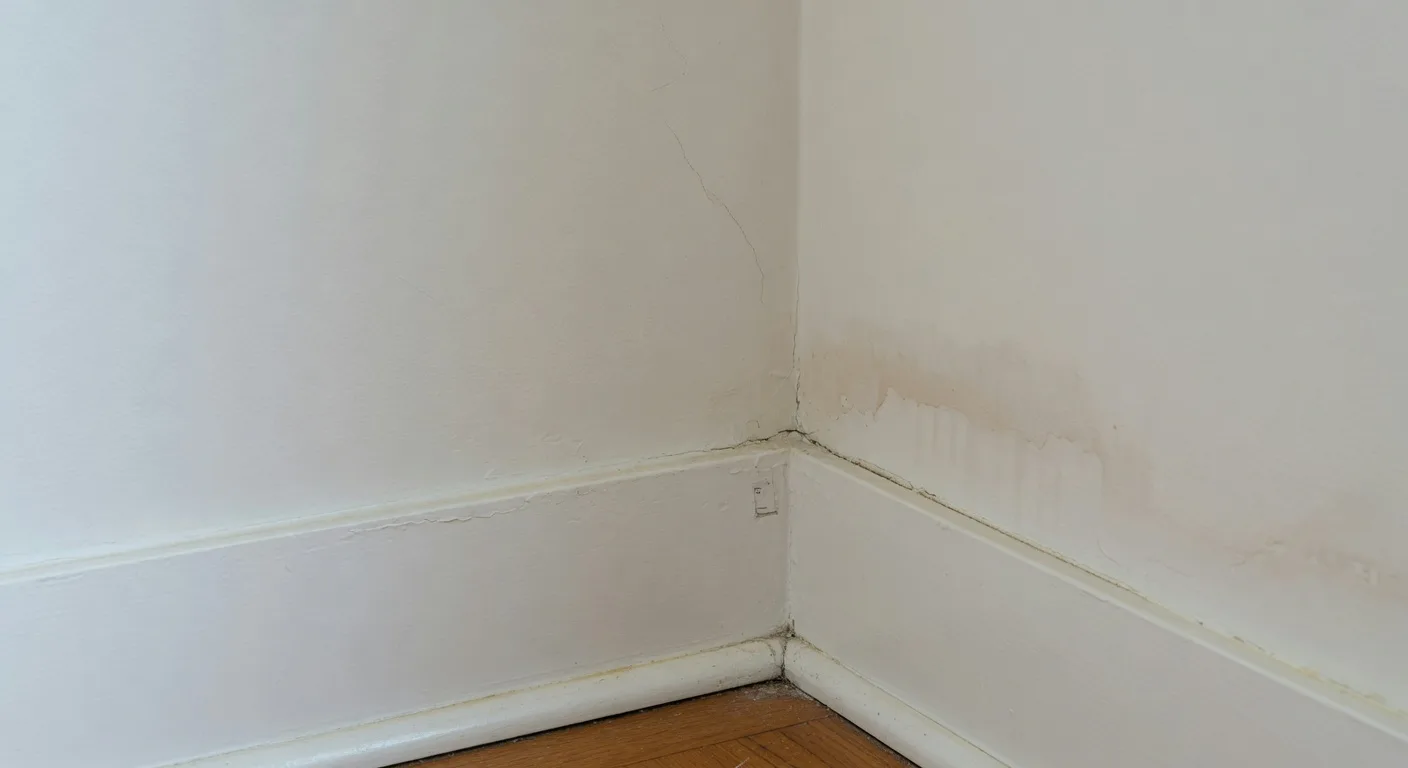

How to Identify Bed Bugs in Bookshelves and Wall Hangings — U.S. bed bug guide for homeowners and travelers.

How to Identify Bed Bugs in Luggage After Travel — U.S. bed bug guide for homeowners and travelers.
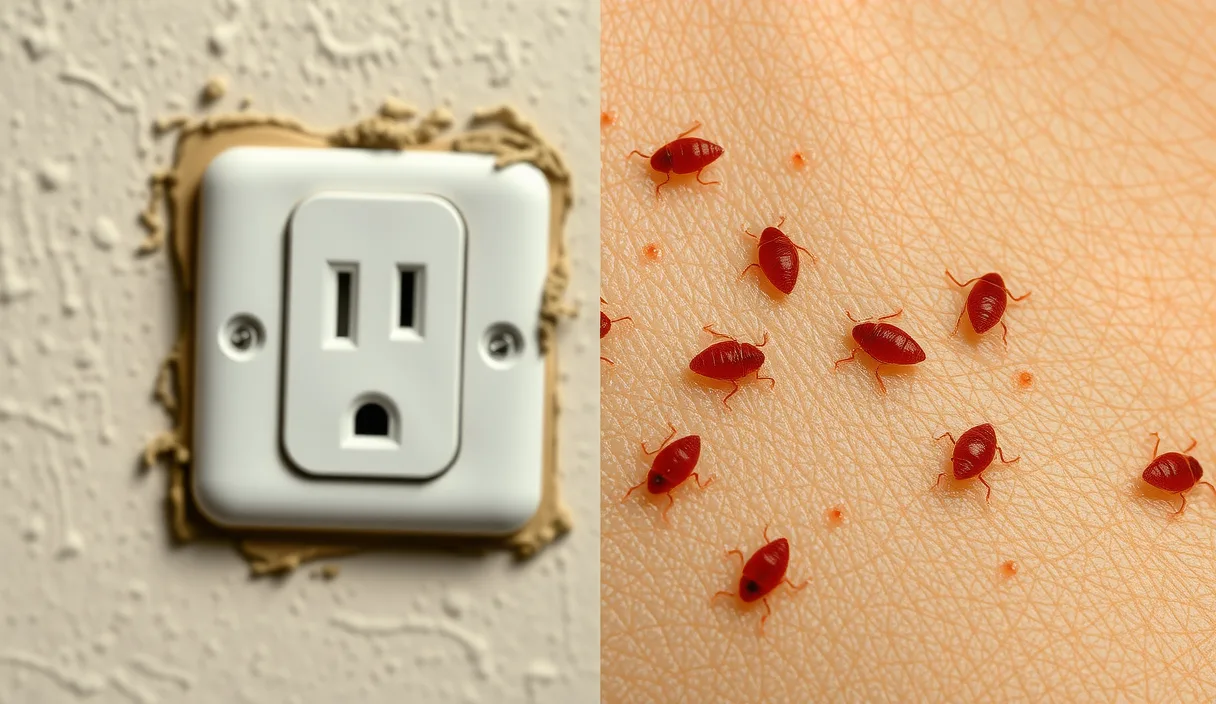
How to Tell If Black Spots Are Bed Bug Feces or Mold — U.S. bed bug guide for homeowners and travelers.

What Does Bed Bug Waste Look Like on Walls and Baseboards? — U.S. bed bug guide for homeowners and travelers.

How to Identify Bed Bugs on Walls: Fecal Spots and Smear Test Guide — U.S. bed bug guide for homeowners and travelers.

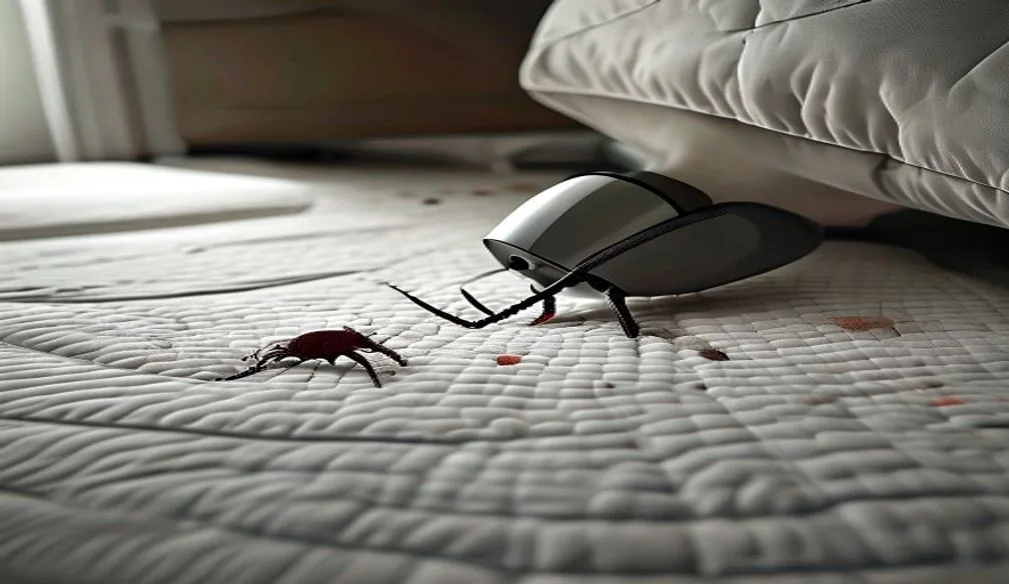
See what bed bug bites look like on baby skin: red clusters in lines on face, neck, arms. Tiny pink dots or hives appear after sleep. Handle safely.

What do bed bug bites look like on babies skin...
After travel, check luggage and nearby areas for bed bug signs such as tiny brown spots (fecal marks), pale shed skins, small eggs or eggshells, and live or flattened bugs. Early detection can help prevent establishing an infestation in your home.
Start at the bed: strip bedding and inspect mattress seams, piping, tags, and the box spring with a flashlight. Check the headboard, nightstands, and baseboards within a few feet of where people sleep.
Look for live bugs, shed skins, tiny white eggs, and dark fecal spots. Repeat on sofas if anyone sleeps there. Document findings before vacuuming or moving furniture.
Use a bright flashlight and a credit card to scrape along mattress seams where bugs hide flat. Search cracks in bed frames, outlet plates, and carpet edges near the bed.
Signs include rusty blood spots on sheets, pepper-like fecal dots, and a sweet musty odor in heavy infestations. If you are unsure, a licensed pest inspector can confirm with trained eyes and tools.
Bed bugs do not burrow inside memory foam, but they readily hide on seams, zippers, labels, and the underside edges where the cover meets the frame.
Foam mattresses still need encasements and seam inspections like any other bed. Focus on tufts, piping, and nearby furniture—not the foam core itself.
If you are dealing with an active infestation, contact a specialist or explore related categories for next steps.